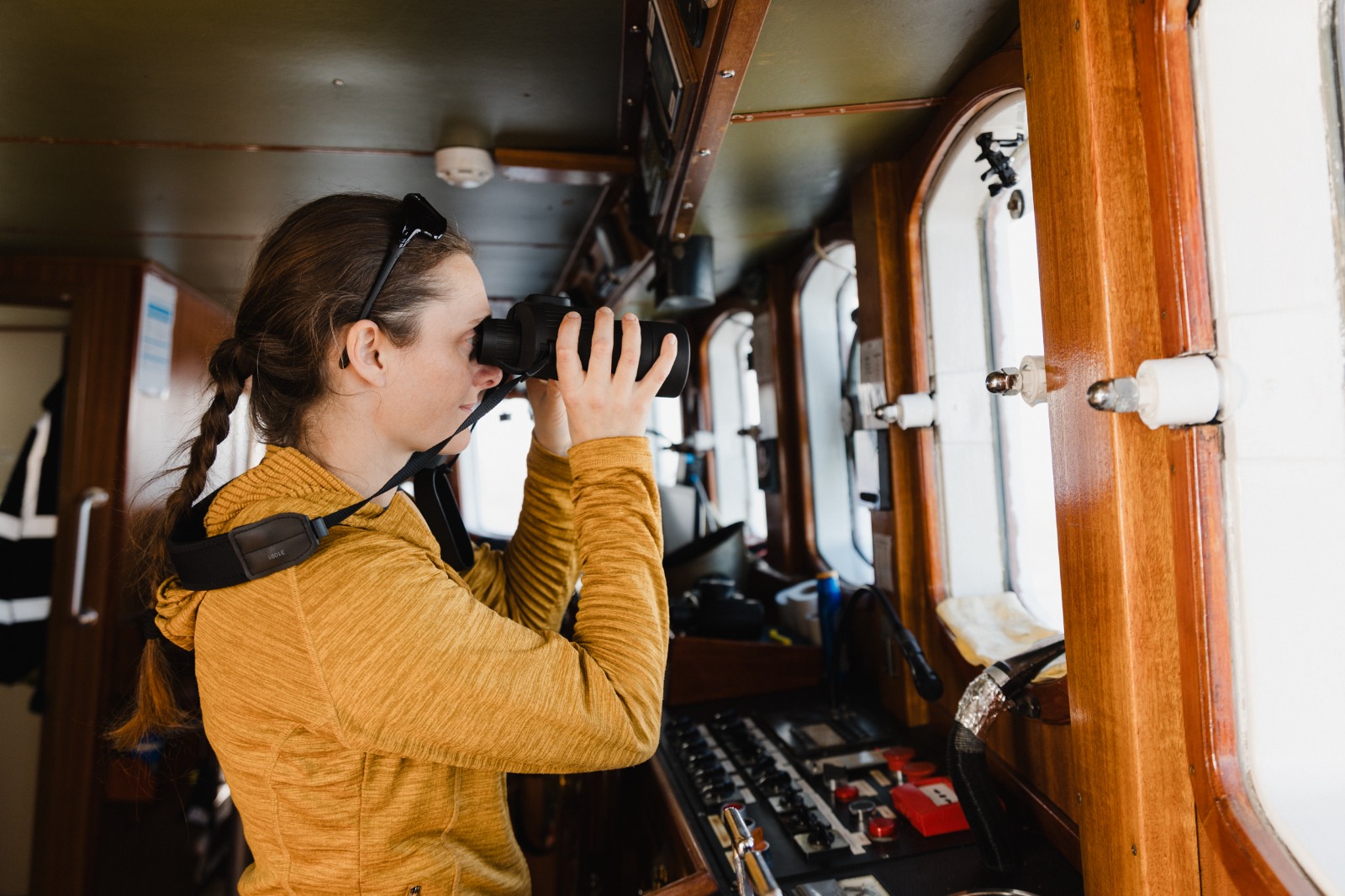
Next up in our crew spotlight is Becky Garrity, Stewardess and Citizen Science Leader on the Hans Hansson.
About Becky
From a young age, Becky Garrity was drawn to animal rescue and wildlife, eventually leading her to study Animal Behavior at Plymouth University in the UK. However, one specific moment sparked her passion for marine life. For her 16th birthday, Becky’s parents took her on a whale watching trip in the Bay of Biscay, one of Europe’s best whale watching sites. After three days of constant whale and dolphin encounters, she was hooked. Soon after, she began volunteering on whale and dolphin surveys with ORCA, a UK based marine conservation organization.
Her experience with ORCA opened doors to work as a guide on whale watching vessels in Canada, Australia, and New Zealand, where she was able to combine her two lifelong passions– wildlife and travel. These interests then led her to Antarctica, where she has now worked with 60 South for two years. She was drawn to Antarctica not only for its remoteness and unique wildlife, but also for the opportunity to give back through science. As she puts it, it is important to “travel with a purpose.”
Work and Memories with 60 South
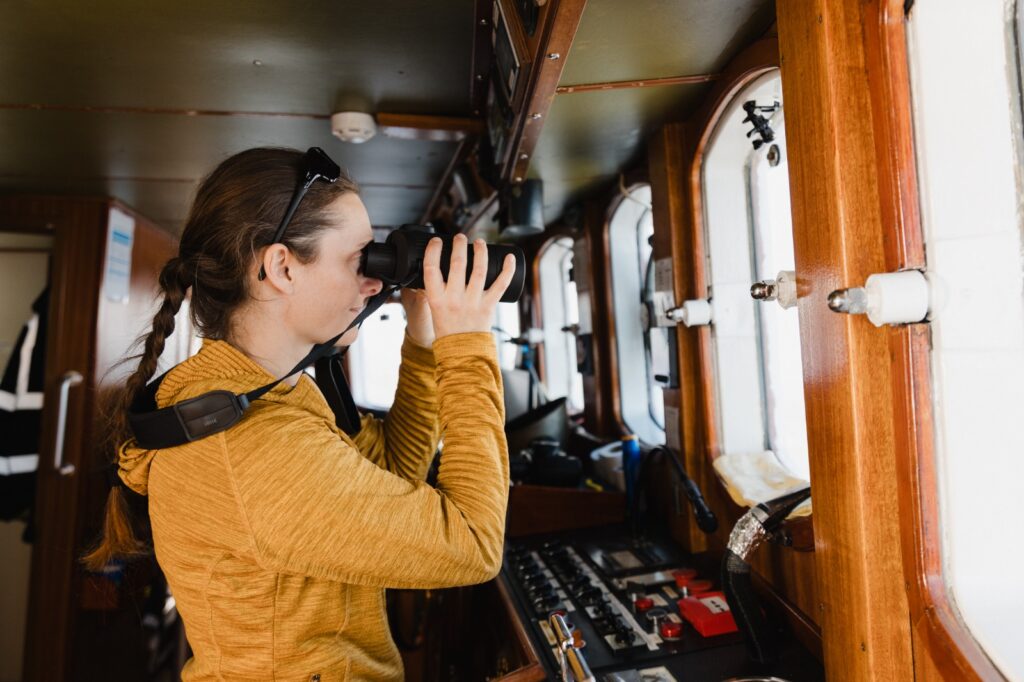
On board the Hans Hansson, Becky holds two job titles, Stewardess and Citizen Science Leader. Her days consist of a wide variety of activities, including housekeeping, bar work, retail, and guiding. Becky also leads 60 South’s citizen science program, where passengers can collect data for five scientific research projects, primarily coordinated by The Polar Collective.
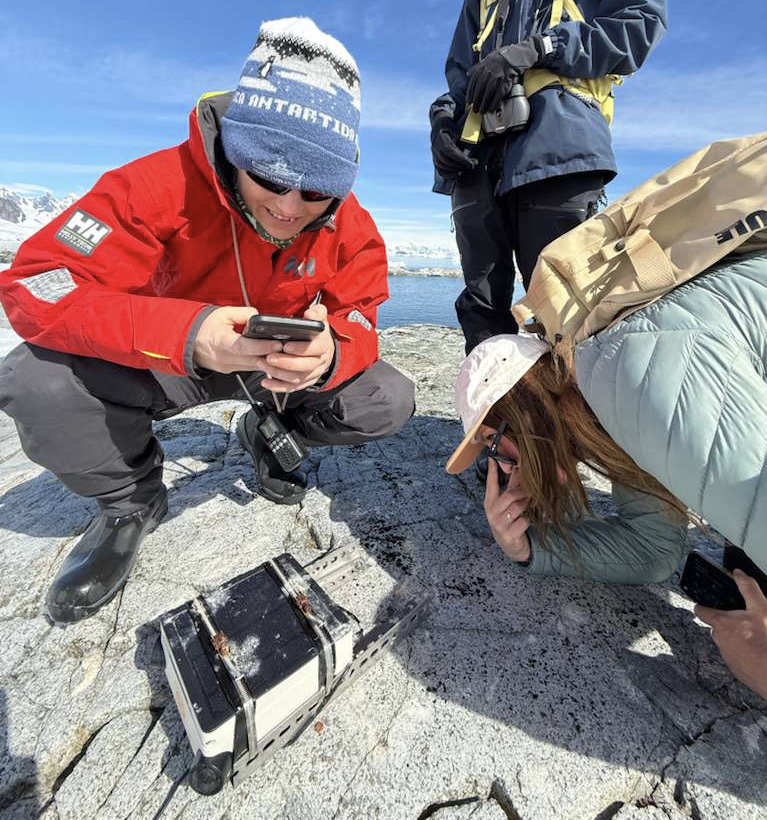
On shore, Becky leads passengers in photographing patches of colored snow to contribute to the Antarctic Snow Algae Study. During the “warmer” Antarctic summer months, microscopic algae form colorful blooms that darken the snow’s surface, causing it to absorb more heat and melt faster. Researchers rely on photos from citizen scientists to fill gaps in satellite imagery and track how snow algae spreads as Antarctic temperatures rise.
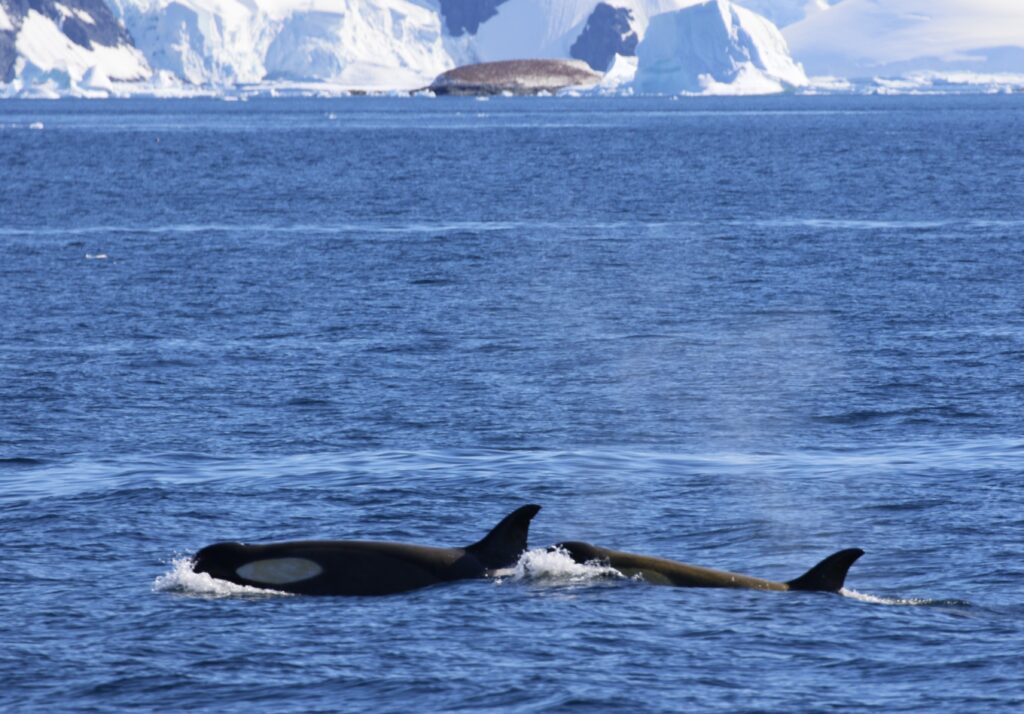
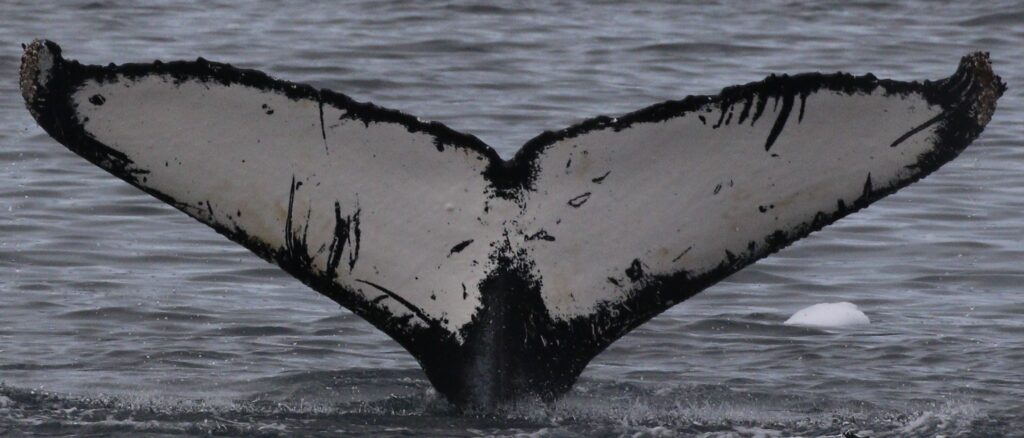
This season, Becky started leading short whale surveys in partnership with ORCA for the IAATO Voluntary Cetacean and Pinniped Sightings (V-CaPS) Program. Using the OceanWatchers app, passengers record whale and dolphin sightings, providing critical information about where species live and migrate. This data supports protective measures, including the mandatory 10-knot speed restrictions that all International Association of Antarctica Tour Operators (IAATO) vessels follow along the Antarctic Peninsula to reduce the risk of fatal whale ship strikes.
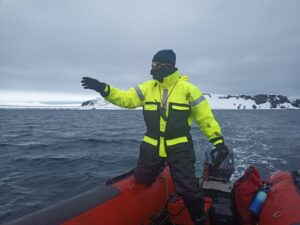
Becky also leads FjordPhyto, a hands-on project where passengers collect water samples and tow a long net behind the zodiac to gather phytoplankton. On the ship, Becky guides passengers as they observe plankton firsthand under the microscope and learn how these tiny organisms form the foundation of the Southern Ocean ecosystem. These samples are then sent to researchers, who use microscopes and DNA analysis to study the incredible diversity of Antarctic phytoplankton. Thanks to contributions from citizen scientists, researchers have even discovered new plankton species in recent years!
While the work can be demanding at times, Becky finds it deeply rewarding to work in such a unique environment. She enjoys meeting like-minded travelers from all over the world, staying in touch long after the voyage ends, and forming close bonds with crew members who have become lifelong friends.
Personal Projects and Interests
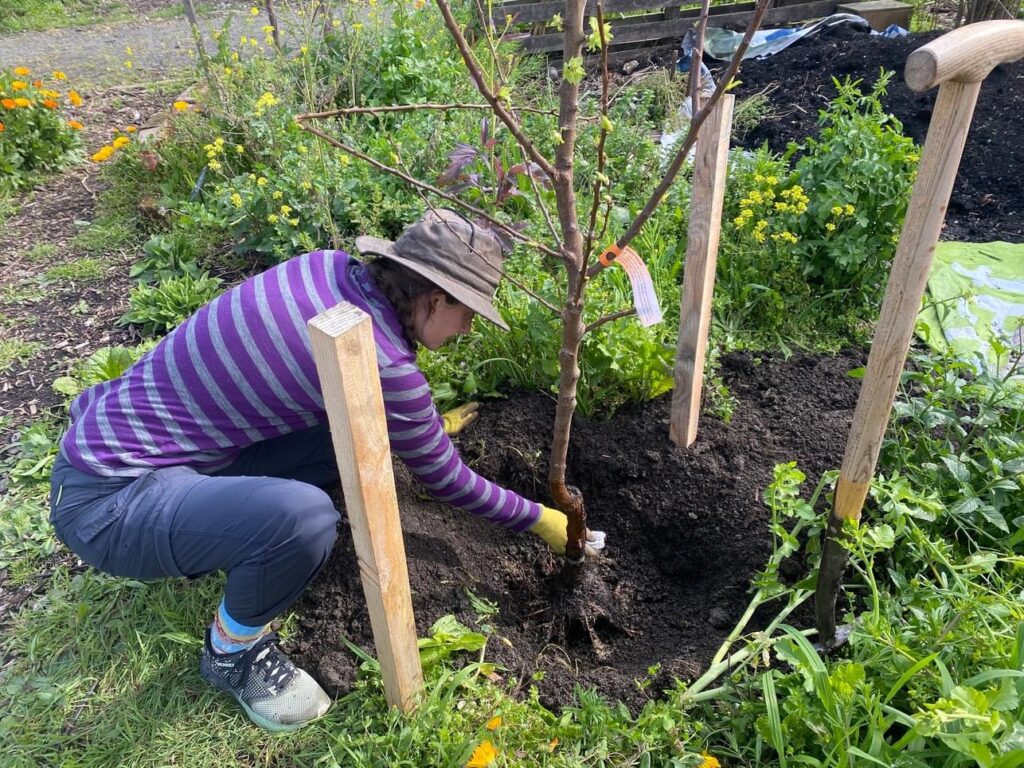
When she’s not at sea, Becky lives a largely nomadic lifestyle out of her van and enjoys the time to visit friends and family back in the UK. Her “land passions” are sustainable living and permaculture, a form of sustainable agriculture. Recently, she has been working on implementing workshops in schools to teach children how to grow their own food and understand the connection between the land and the food they eat.
One of Becky’s favorite facts to share with guests combines her land and ocean passions. Whales, she explains, are the gardeners of the ocean. They dive deep below the surface to feed on krill, then return to the top to breathe and release waste due to the pressure at depth. This waste delivers essential nutrients to phytoplankton, microscopic plant-like creatures that absorb carbon dioxide, release oxygen, and form the base of the marine food web. This process, known as the whale pump, helps sustain productive and healthy oceans.
Becky’s work, both on land and at sea, shares the same goal of helping people connect with nature. For those interested in getting involved with citizen science at home, she recommends iNaturalist, a platform where you can upload your own photos to identify species and contribute to scientific data.
We are grateful to have Becky as part of the team! Her work reminds us that exploring Antarctica can be both an inspiring travel experience and a meaningful contribution to scientific knowledge.