Antarctic Wildlife: How to Observe Animals Responsibly
Traveling to Antarctica offers the opportunity to discover one of the most extraordinary ecosystems on the planet. Penguins, seals, whales and numerous seabirds are part of an environment where life thrives under extreme conditions, and where every wildlife encounter can become one of the most memorable moments of an expedition.
But observing animals in Antarctica also comes with a responsibility. Visitors should experience the continent in a way that does not alter the natural behavior of wildlife or create unnecessary impact on the environment.
Understanding how to approach wildlife — and, more importantly, when to keep your distance — is an essential part of any trip to Antarctica.
Antarctic Wildlife: How to Observe Animals During a Trip to Antarctica
The first rule when observing Antarctic wildlife is simple: we are the visitors in their habitat.
Visitor guidelines established within the Antarctic Treaty System state that birds and seals should not be fed, touched or handled, and visitors should avoid approaching or photographing animals in ways that could alter their behavior. Particular care should also be taken during sensitive periods such as breeding or moulting.
For this reason, a great wildlife experience is not measured by how close you can get to an animal. Often, the opposite is true: keeping your distance allows you to observe natural behavior without interference.
Keep Your Distance and Let Wildlife Take the Lead
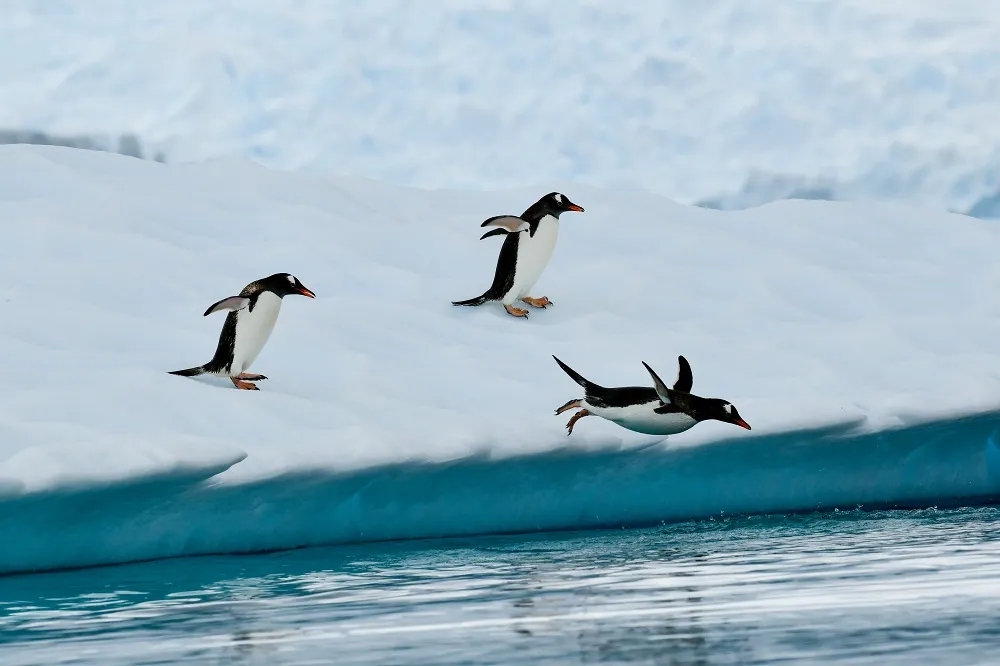
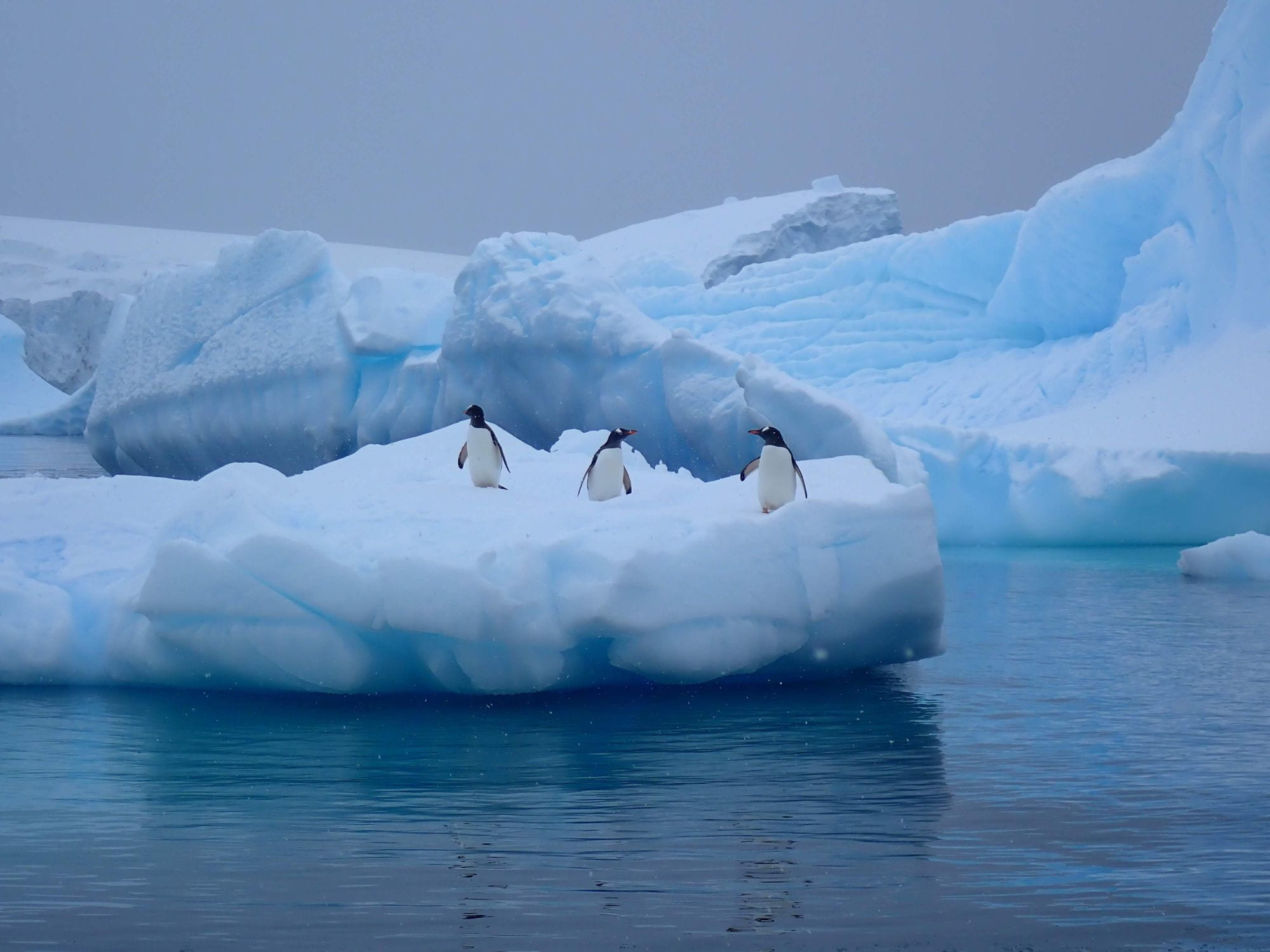
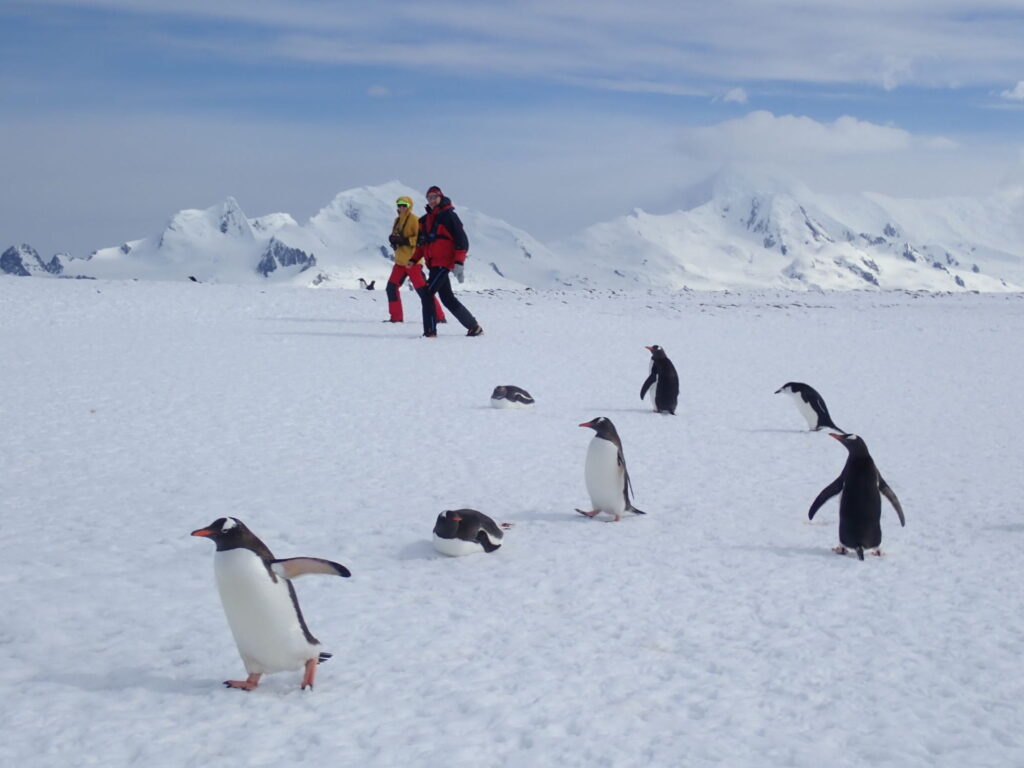
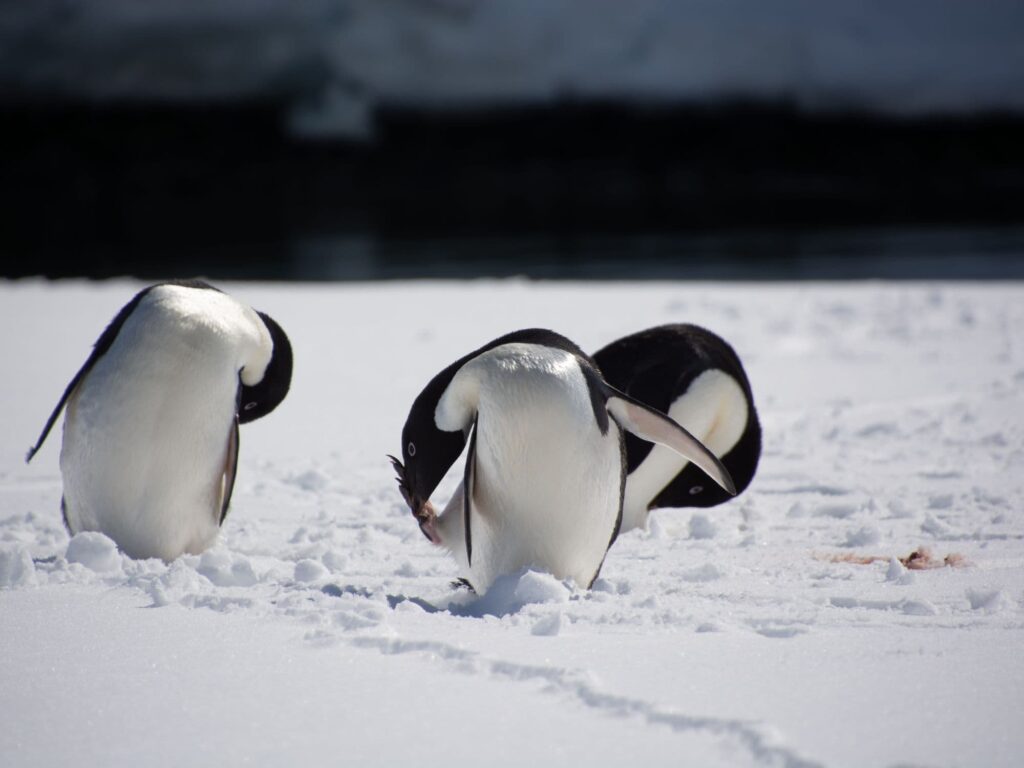
During an Antarctic expedition, you may encounter animals that appear curious about human presence. However, if a penguin approaches you, that does not mean you should move towards it, touch it or try to get closer for a photograph.
Visitor recommendations establish appropriate distances and behaviors for different species and situations. As a general principle, travelers should maintain a safe distance, follow the instructions of the expedition team and move farther away if an animal shows signs of disturbance.
It is also important not to block the routes penguins use to move between their colonies and the water. Wildlife always has priority.
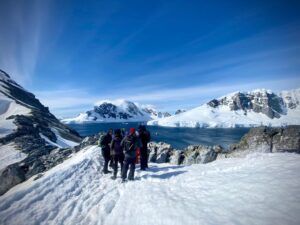
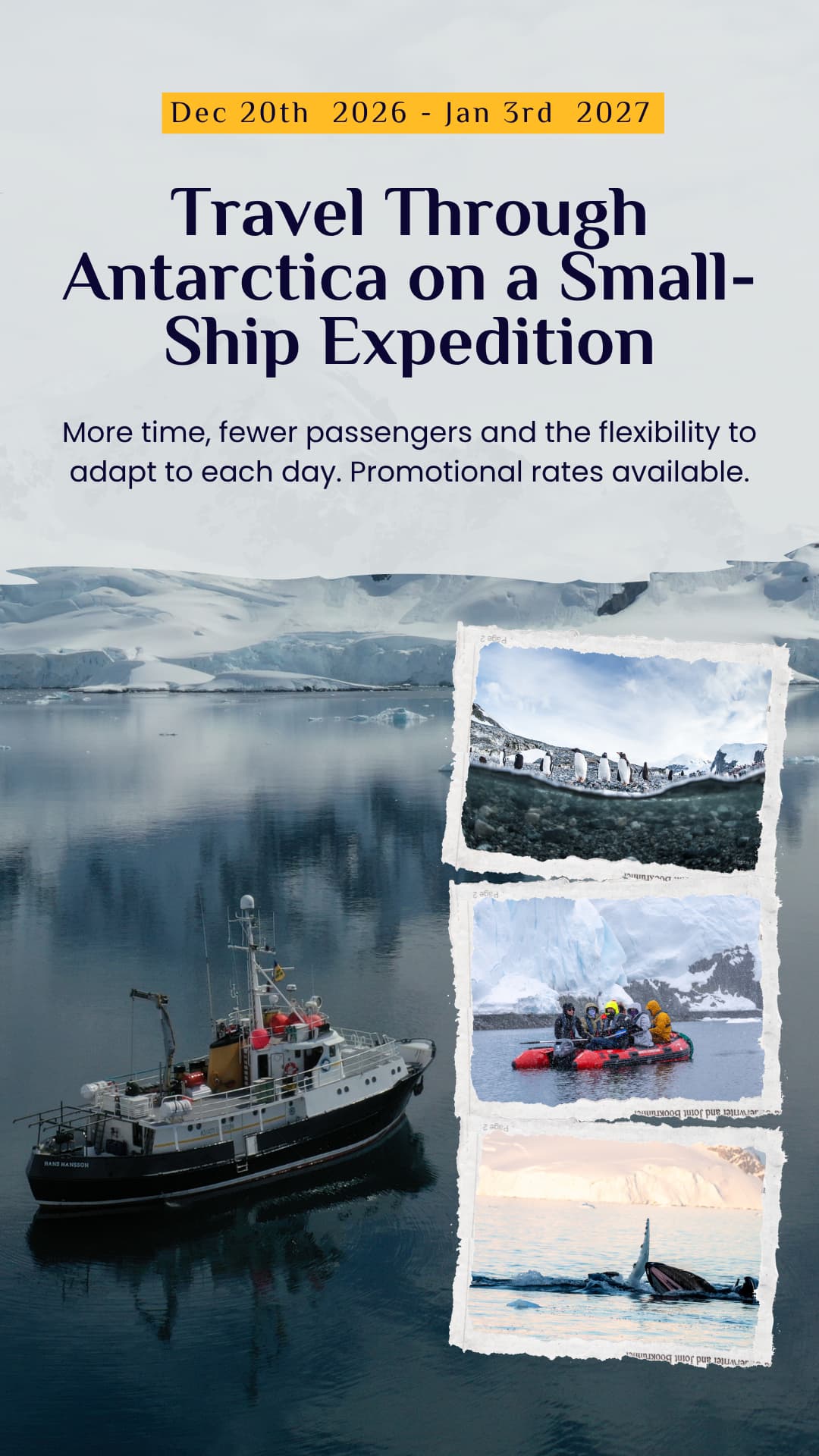
On expeditions such as Hans Hansson – Fly In & Out, the journey through the Antarctic Peninsula includes landings at different points of interest, including penguin colonies. Traveling with a group of up to 12 guests makes it possible to explore with fewer people and spend time observing the surroundings without rushing the experience.
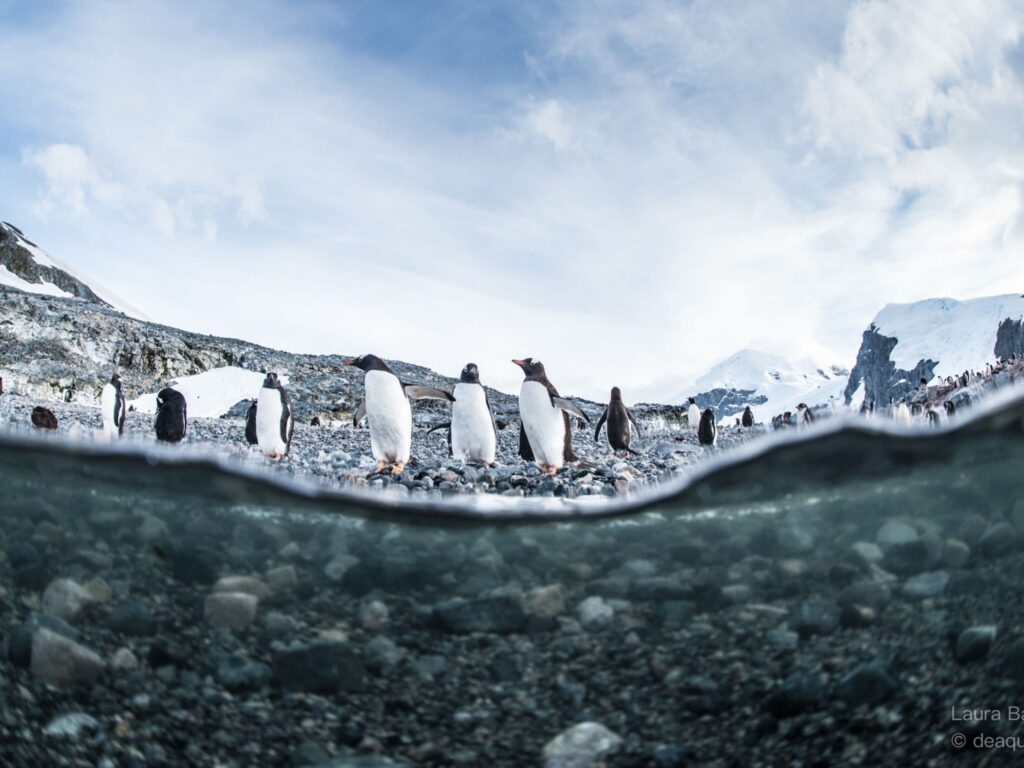
Photograph Wildlife Without Changing Its Behavior
For many travelers, photographs of penguins, seals or whales will become some of the most treasured memories of their trip to Antarctica.
The best photograph, however, should never come at the expense of an animal.
Following wildlife, blocking its path or constantly changing position to achieve a particular shot can cause unnecessary disturbance. Patience is part of the experience: spending more time observing and allowing a scene to unfold naturally can create far more memorable moments than trying to force a closer encounter.
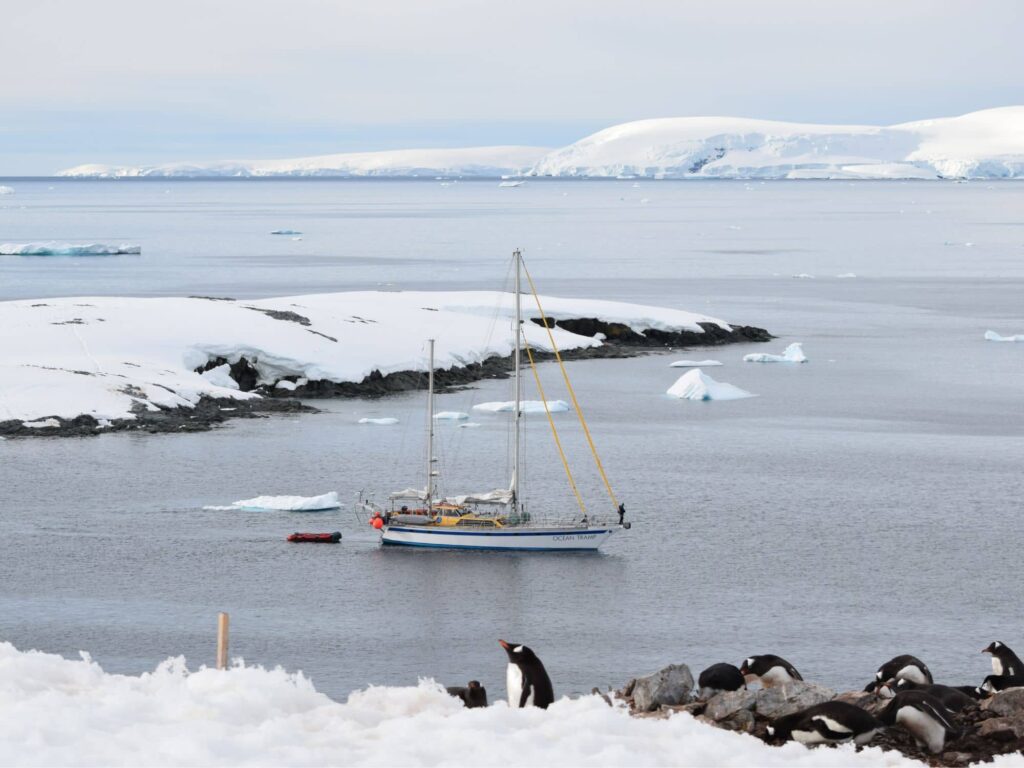
The flexibility of a small vessel can also make a difference. On Ocean Tramp – Sail In & Fly Out, for example, the expedition includes landings at penguin colonies and opportunities to observe wildlife during the voyage, as well as crossing the Drake Passage, where seabirds such as albatrosses may also be observed.
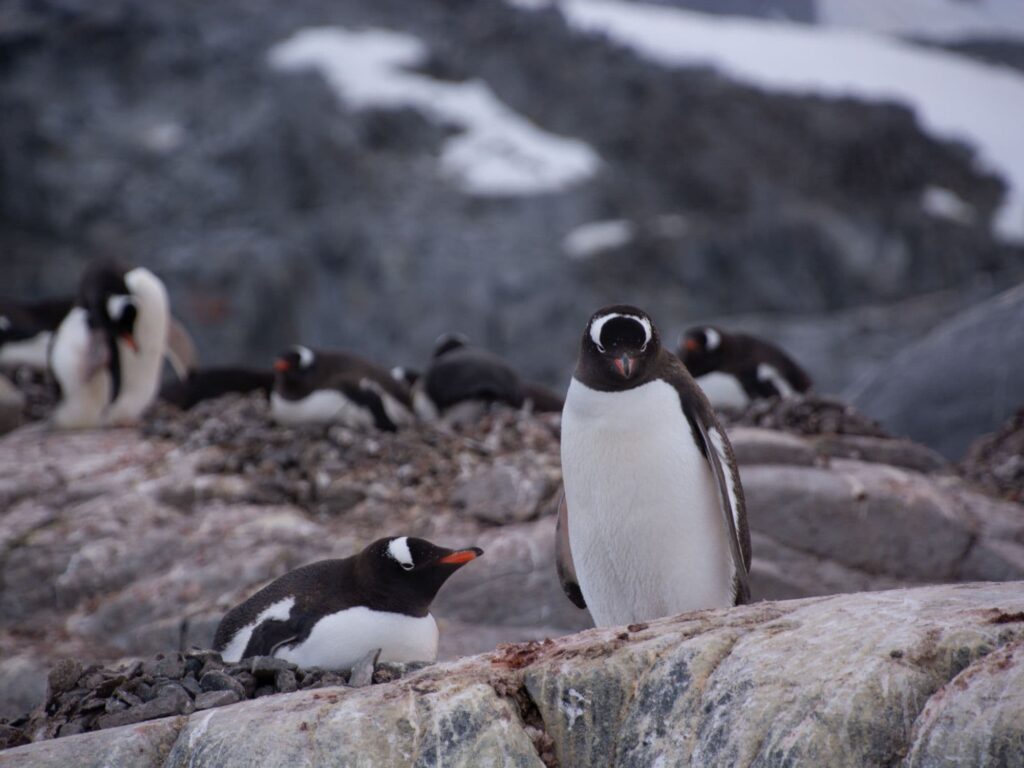
Penguins, Seals and Whales: Observe Without Interfering
One of the reasons many travelers choose to travel to Antarctica is the opportunity to observe animals in their natural environment.
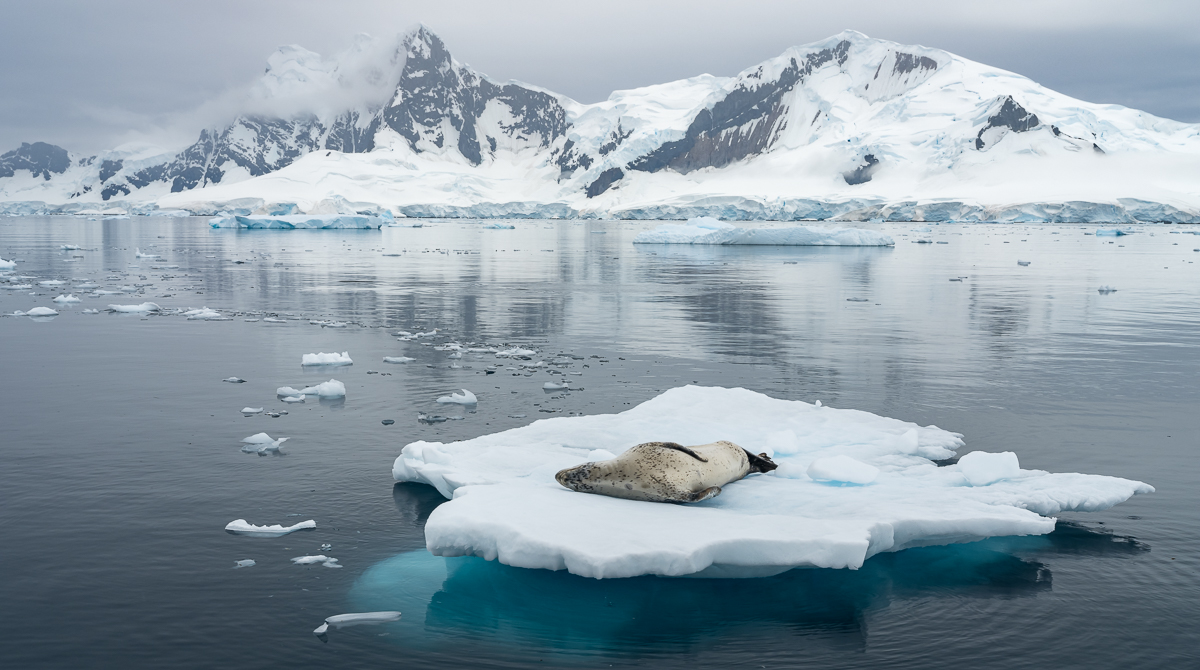
Penguins are probably Antarctica’s most iconic inhabitants, but an expedition may also provide opportunities to observe seals, whales, orcas and different species of seabirds. Specific encounters should never be guaranteed: these are wild animals, and conditions are constantly changing.
The itineraries of Ocean Tramp – Fly In & Out and Meredian – Fly In & Out, for example, explore the Antarctic Peninsula and include time to visit penguin colonies and take advantage of wildlife viewing opportunities that may arise during the expedition.
This unpredictability is part of the Antarctic experience.
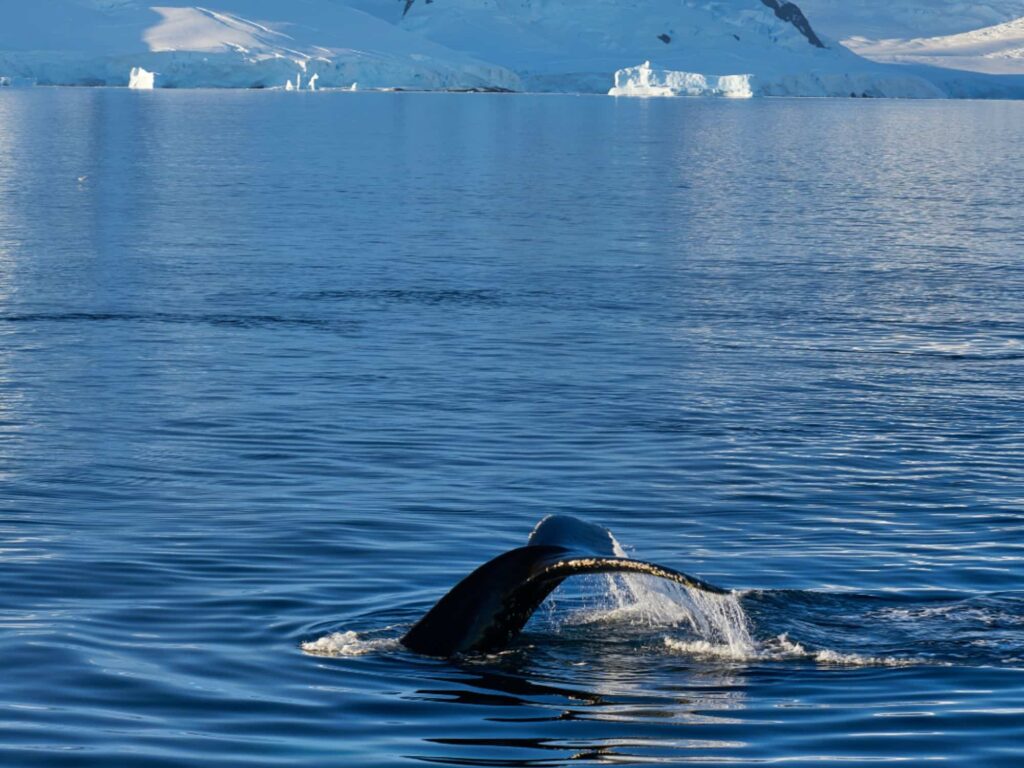
Watching Whales and Marine Wildlife from the Water
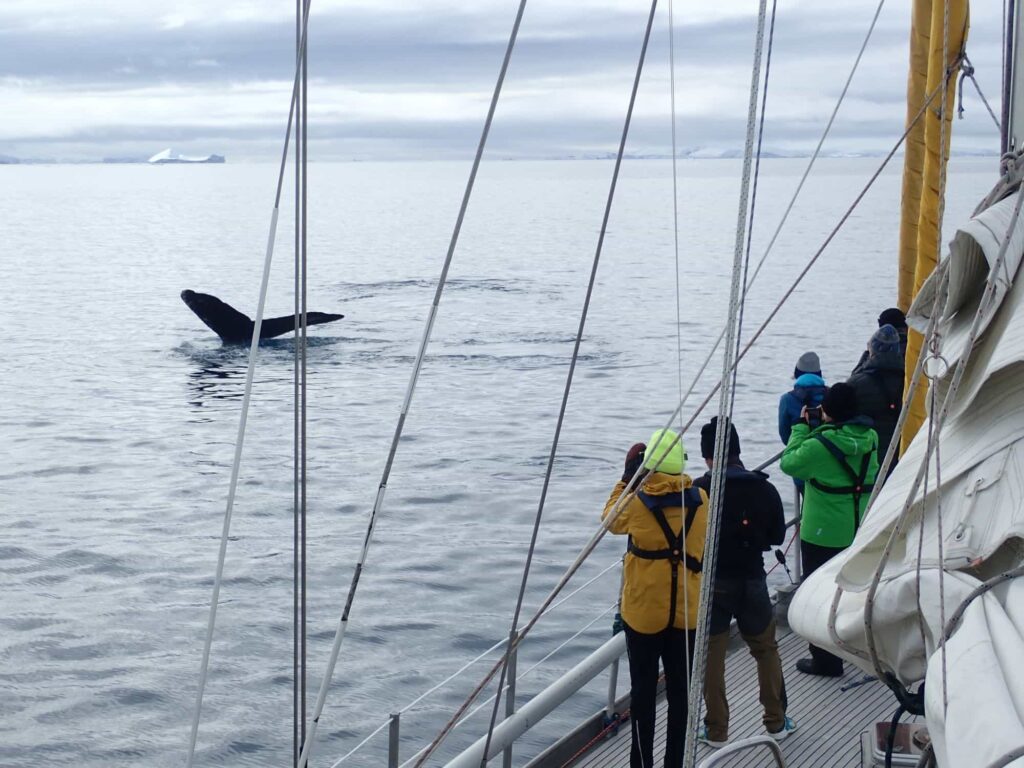
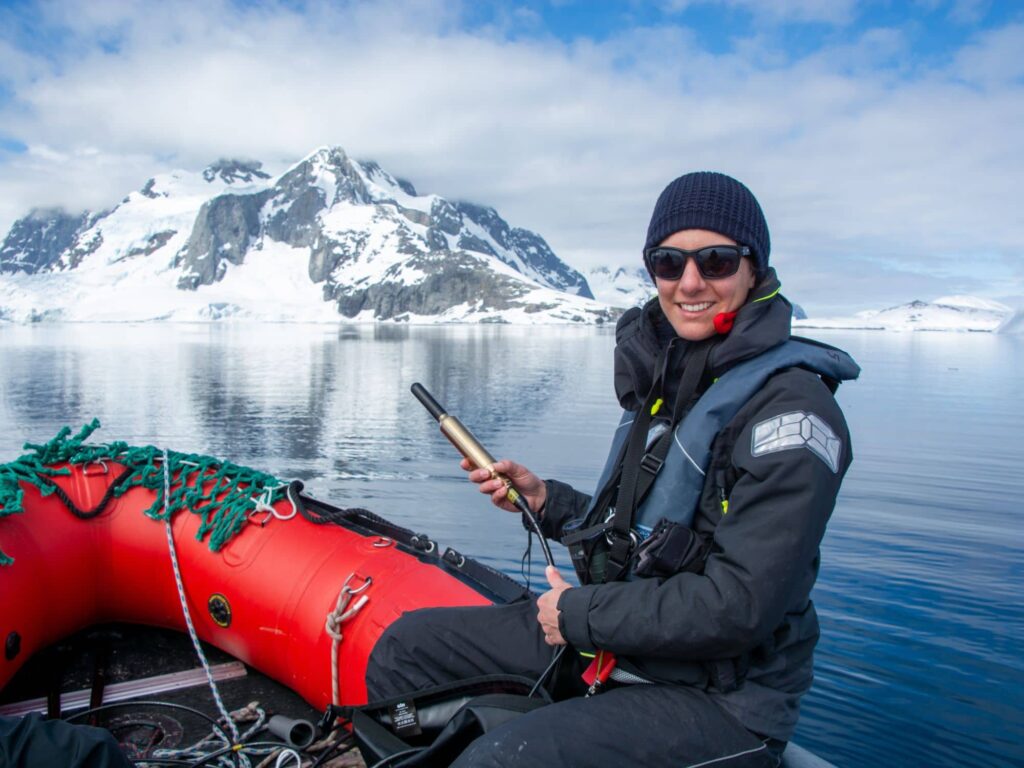
The same principle of respect applies while navigating. Vessels should not chase wildlife or use their position to force animals to approach.
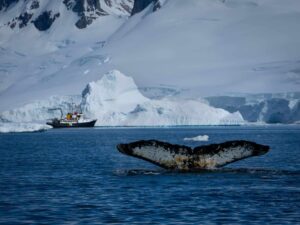
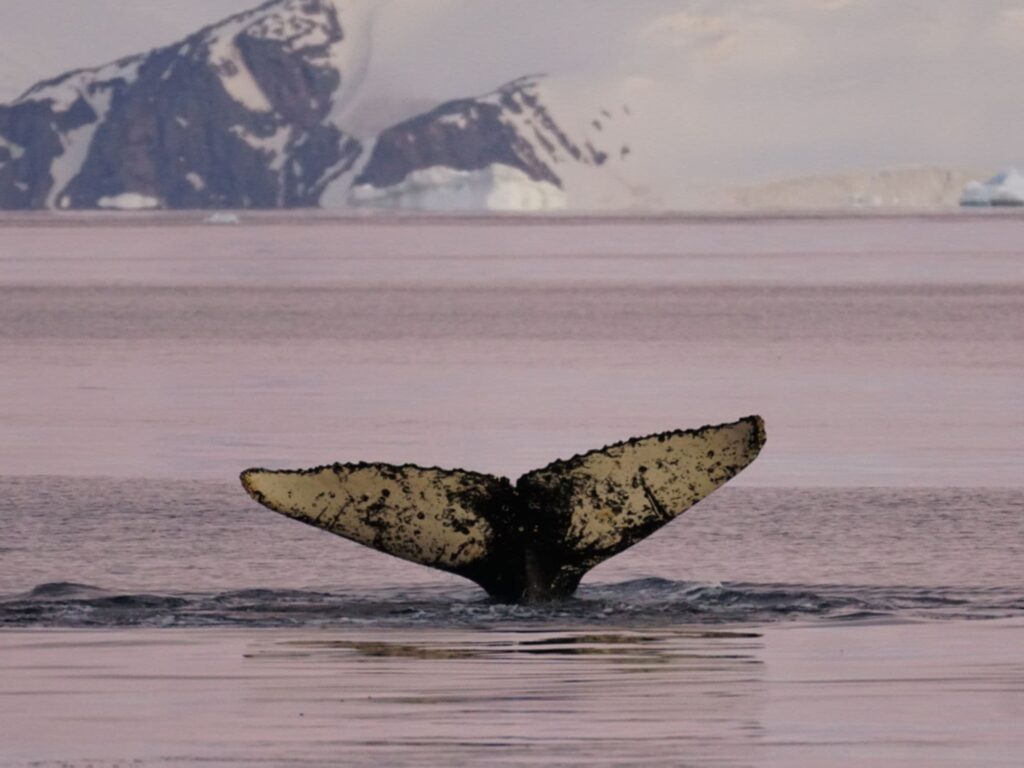
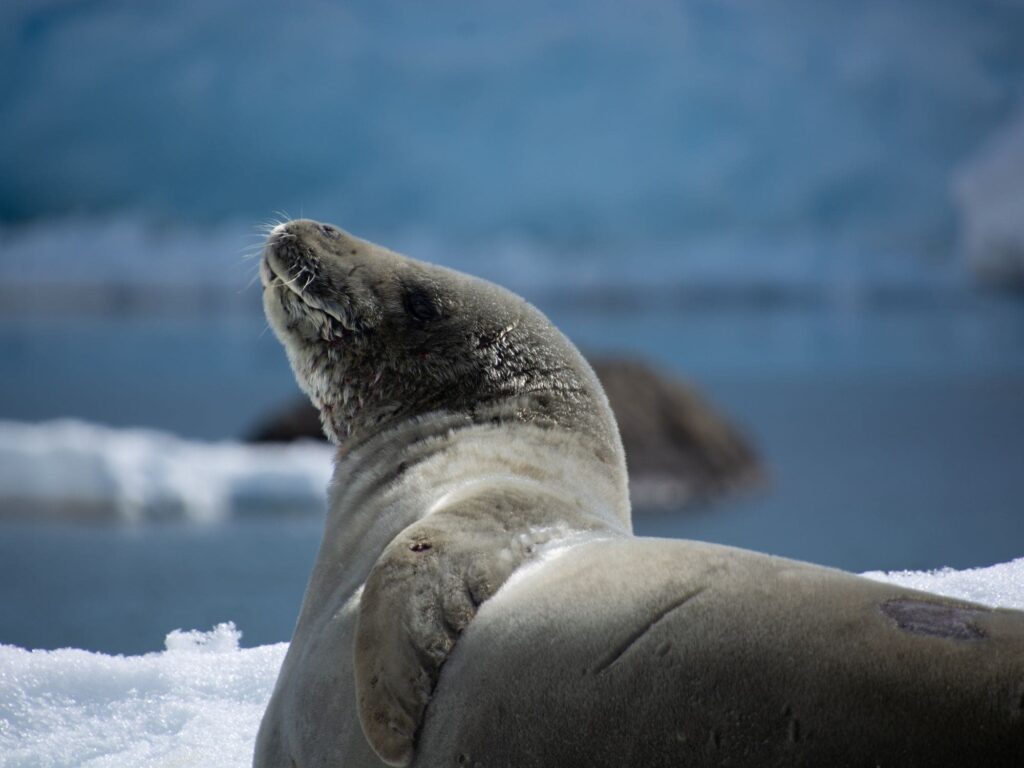
On 60 South expeditions, the flexibility of small vessels makes it possible to stop when conditions and circumstances allow. The descriptions of our Antarctica trips include examples of whales feeding, orcas swimming near the vessel and leopard seals interacting with their environment.
The key is not to force these moments. A whale appearing unexpectedly near the vessel can become an unforgettable experience precisely because the encounter happened naturally.
Follow the Expedition Team’s Instructions
Every landing in Antarctica can present different conditions. The terrain, the presence of colonies, animal behavior and specific restrictions at particular sites all influence how a visit can take place.
That is why listening to briefings and following the instructions of guides and expedition leaders is essential.
60 South’s Antarctic itineraries are also flexible: weather, ice, sea conditions and the opportunities presented by each day may change what was originally planned. This ability to adapt also helps minimize unnecessary disturbance to wildlife.
Responsible Tourism in Antarctica: Be a Visitor Before a Spectator
Choosing a trip to Antarctica is not only about reaching one of the most remote places on Earth. It also means accepting that priorities are different here.
Weather can change an itinerary, ice can prevent a landing, and the presence or behavior of wildlife can alter the day’s plans. This flexibility does not diminish the experience — it is part of it.
Small-group expeditions such as Hans Hansson – Fly In & Out, Ocean Tramp – Fly In & Out, Ocean Tramp – Sail In & Fly Out and Meredian – Fly In & Out offer different ways to explore the Antarctic Peninsula and observe its wildlife, always understanding that nature determines each encounter.
In Antarctica, some of the most meaningful wildlife encounters are those in which we can observe, learn and continue on our way while allowing the animals to continue on theirs.
Experience Antarctica’s Wildlife for Yourself
Penguins, seals, whales and seabirds are part of a constantly changing natural environment where every journey is different.
Contact us to discover our expeditions and experience the incredible wildlife of Antarctica for yourself.