Why No Two Trips to Antarctica Are Ever the Same: A Journey Shaped by Ice, Wildlife, Weather and the Unexpected
There is something wonderfully unpredictable about Antarctica. You can study maps, read itineraries and imagine what your journey might look like, but the White Continent always has the final word.
Weather shifts, sea ice moves, wildlife appears unexpectedly, and changing light can transform the same landscape within hours. This is precisely why visiting Antarctica is so different from travelling almost anywhere else in the world.
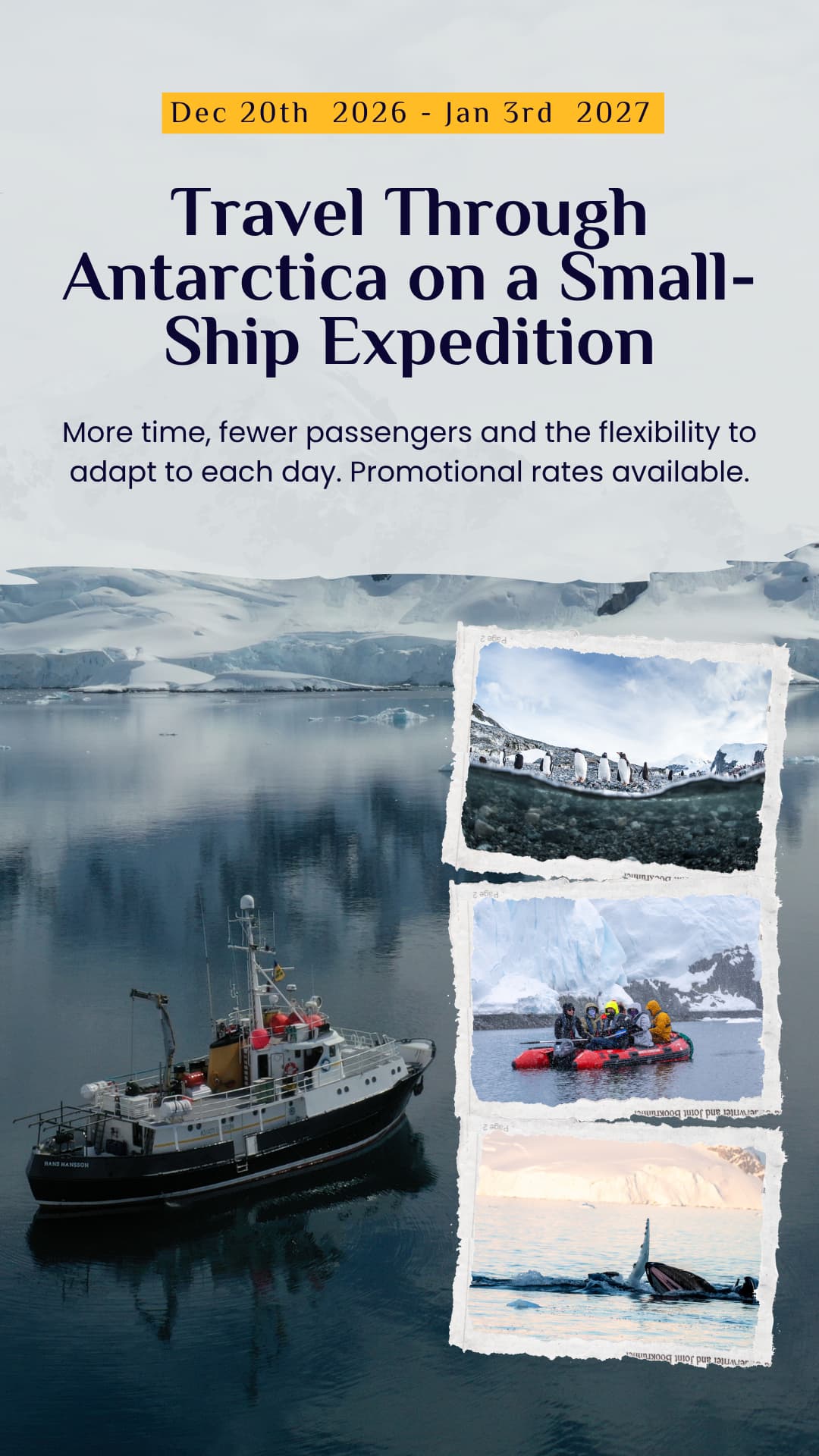
An Antarctic expedition is not simply about following a route from one destination to another. It is about experiencing a remote environment as it unfolds. And that means no two journeys — even aboard the same vessel — are ever exactly alike.
Antarctica: a destination shaped by nature
One of the first things travellers discover about Antarctica is that flexibility is part of the adventure.
Unlike conventional holidays built around fixed attractions and schedules, expedition travel responds to the environment. Antarctica’s temperature, wind, visibility, and sea conditions can influence what is possible on any given day.
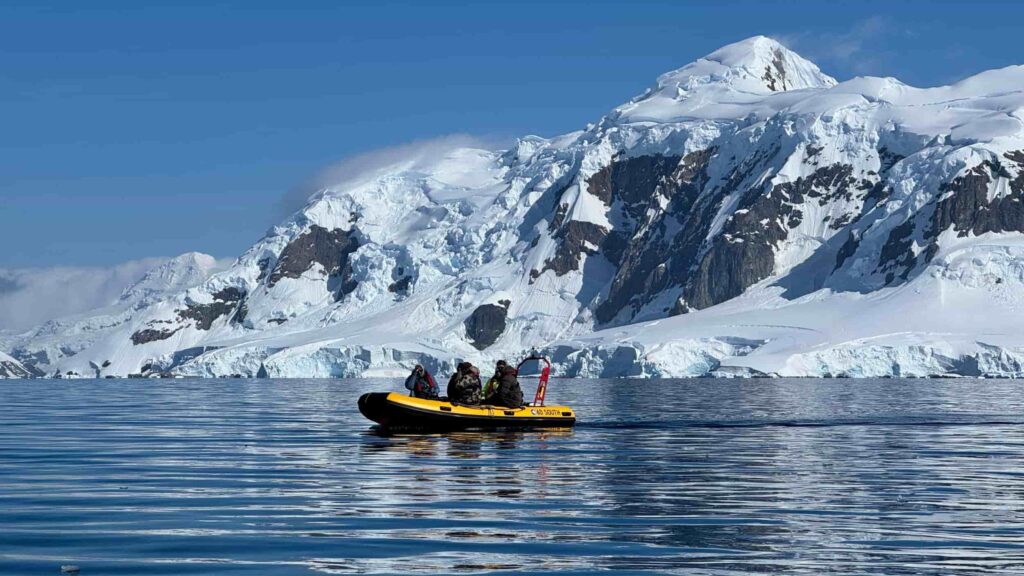
A calm morning might create ideal conditions for exploring a bay by Zodiac. Later, a shift in weather could reveal an entirely different opportunity elsewhere. Ice can open passages, wildlife can appear where it was least expected, and exceptionally clear conditions can turn an ordinary afternoon into one of the most memorable moments of the journey.
The ice is constantly changing
Antarctica may appear frozen and still in photographs, but the landscape is remarkably dynamic.
Glaciers descend towards the ocean, icebergs drift through bays, and sea ice changes throughout the season. Wind and currents continuously reshape the environment, meaning a place visited during one expedition may look surprisingly different weeks later.
These changes also influence how an expedition develops.
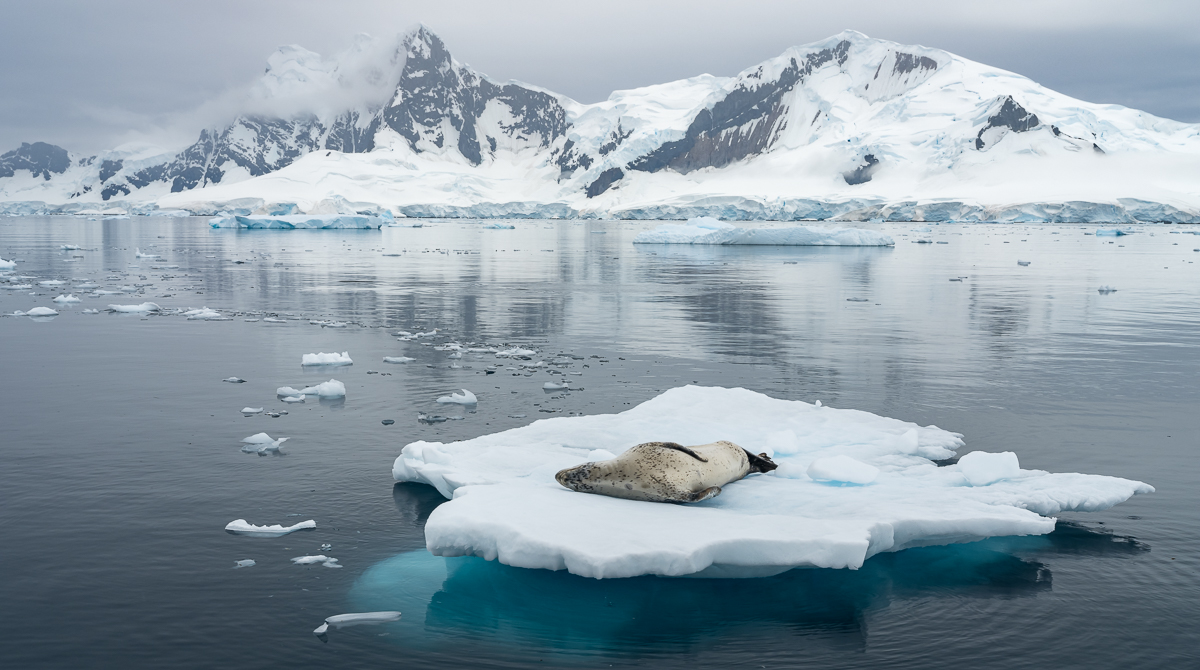
A narrow channel may become accessible. A spectacular iceberg might appear around a headland. Calm conditions could offer time to stop and simply observe the extraordinary shapes, colours and sounds of the ice.
Rather than rushing past these moments, travelling aboard a smaller expedition vessel creates opportunities to respond to them.
Wildlife never follows an itinerary
For many travellers, encountering Antarctic wildlife is one of the great reasons for making the journey south.
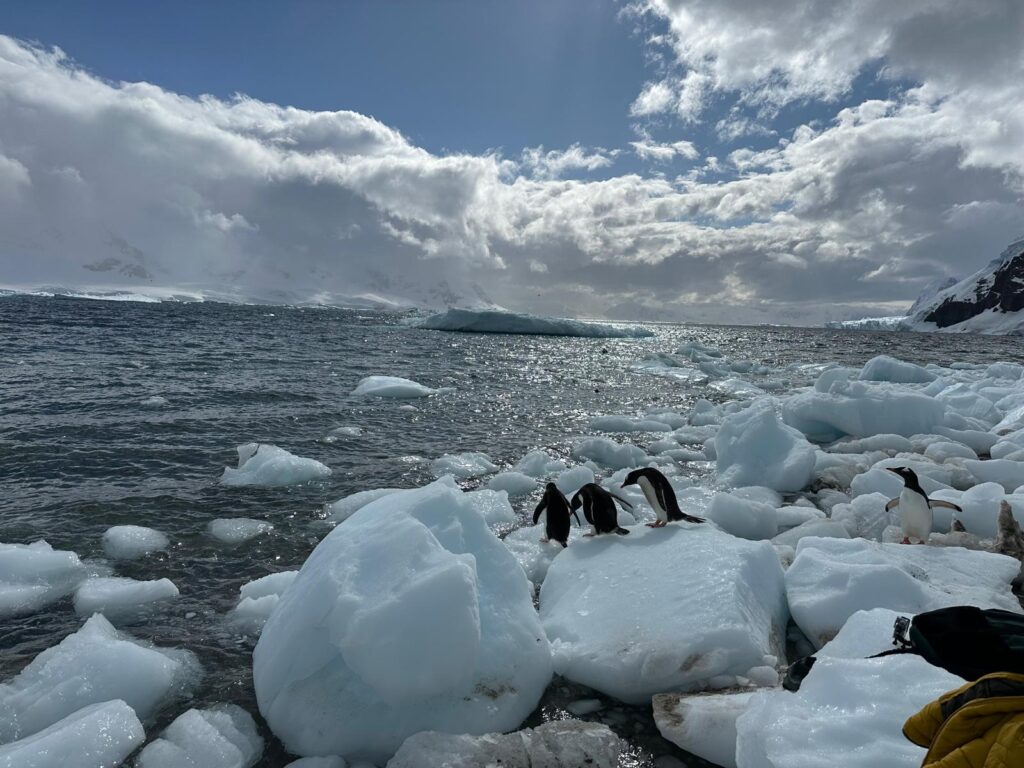
Penguins, seals, whales and seabirds inhabit an enormous natural environment — and there are no guarantees about exactly where or when they will appear.
That is part of what makes an encounter special.
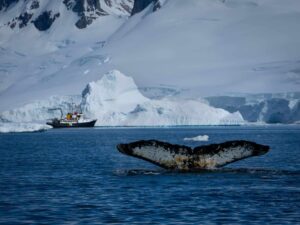
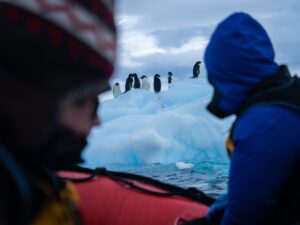
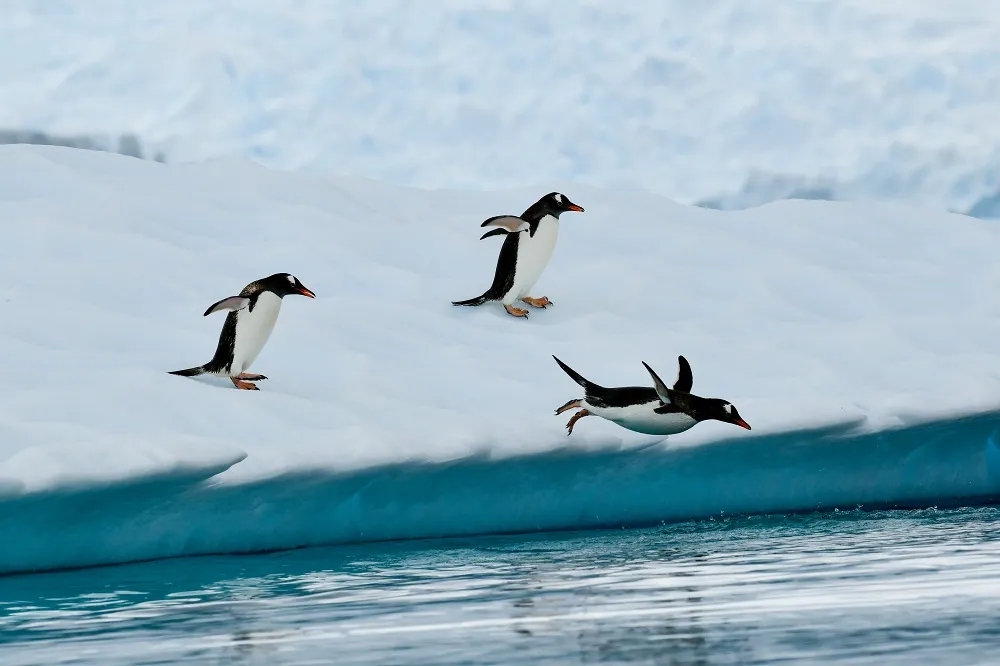
One expedition might find whales moving through calm water as the sun begins to lower. Another may spend time near a busy Gentoo penguin colony. Sometimes the most memorable wildlife encounter happens when nobody is expecting it.
These are not staged attractions. They are encounters that happen because you are travelling through the animals’ world.
Weather changes the experience, not just the itinerary
Antarctic weather is often described only in terms of cold, but there is much more to it.
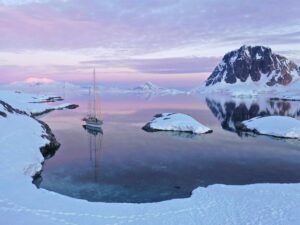
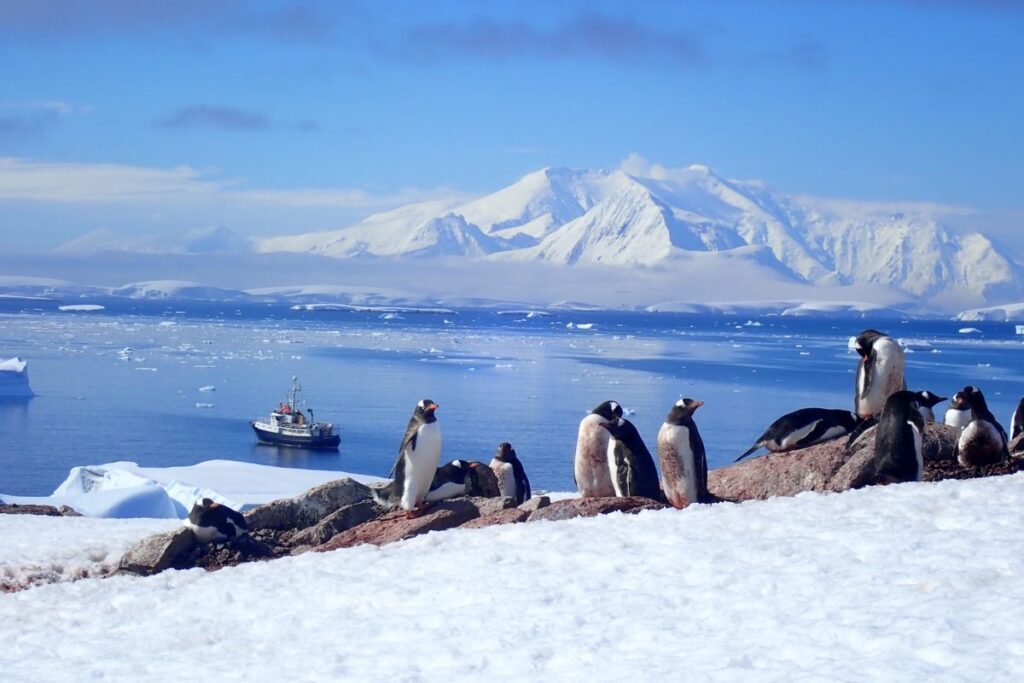
Changes in wind, clouds, visibility and light can completely transform a landscape. Mountains can disappear behind mist and emerge again dramatically. Glaciers can shift from muted grey to intense shades of blue. Calm water can create almost perfect reflections.
Understanding these conditions is an important part of expedition sailing.
On Antarctica cruises, adapting to these conditions is essential. The objective is not to control the environment but to work with it safely and make the most of the opportunities it provides.
Different routes create different Antarctic stories
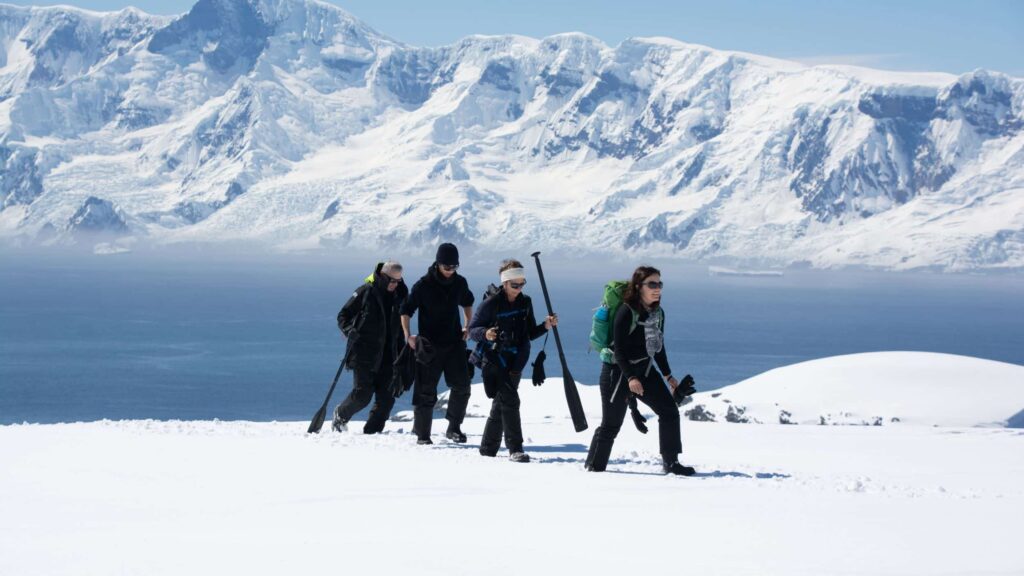
The journey itself can also change the character of the experience.
Some travellers want to maximise their time exploring Antarctica by flying across the Drake Passage. Others dream of sailing south from Ushuaia and experiencing the legendary crossing as part of their expedition.
And Antarctica is only part of the wider story of the Southern Ocean.
For travellers considering a journey that also explores South Georgia or the Falkland Islands, it is a useful starting point. Expeditions such as these open the door to landscapes, history and wildlife beyond the Antarctic Peninsula.
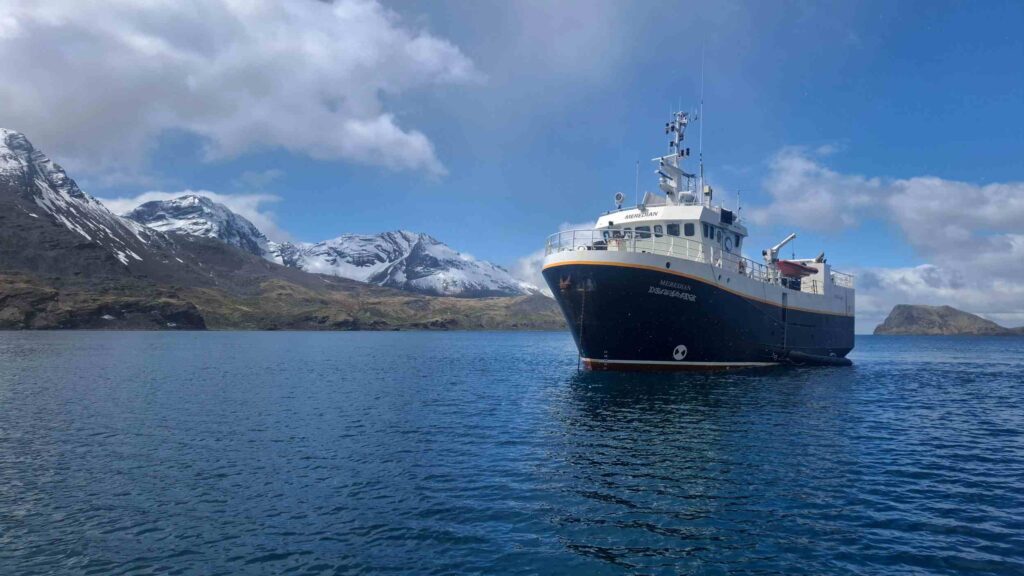
Small groups make spontaneous moments possible
The scale of an expedition matters.
Travelling with a small group creates a different relationship with the destination. There is more space to observe, more opportunity to react to changing conditions and a greater sense of being part of an expedition rather than simply watching one from a distance.
Sometimes the most unforgettable moment is not something listed on an itinerary.
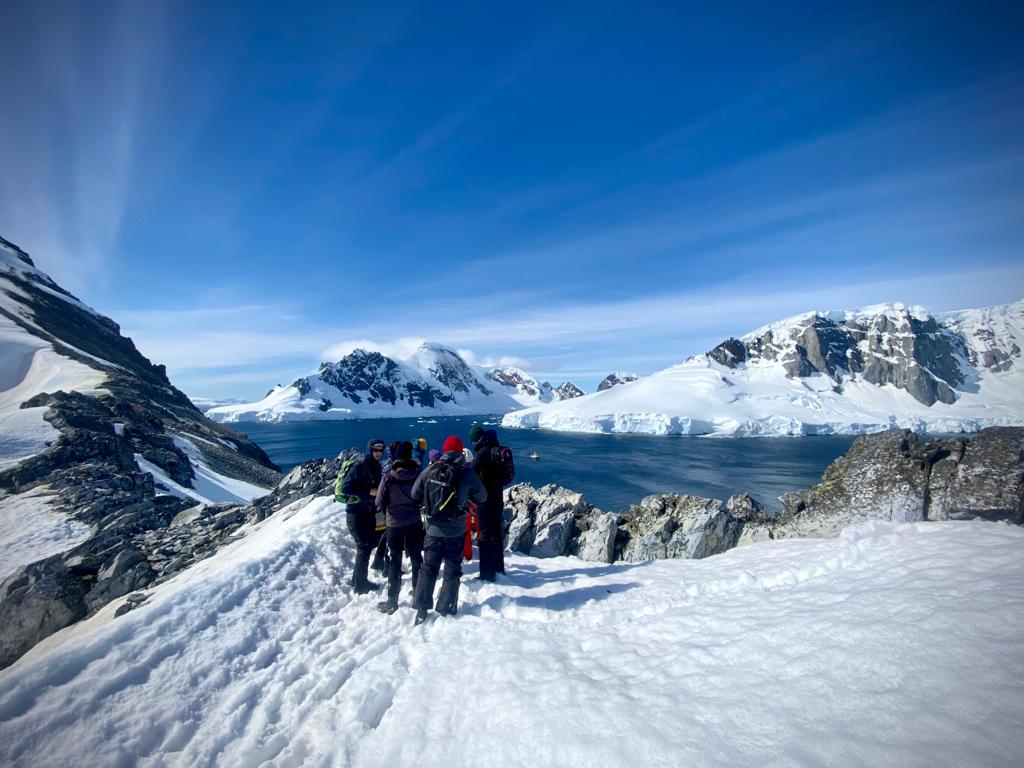
It might be silence on deck as an iceberg drifts past. A whale surfacing nearby. An unexpected opportunity to go ashore. A sunset that lasts far longer than expected. Or simply looking around and realising how far you are from the familiar world.
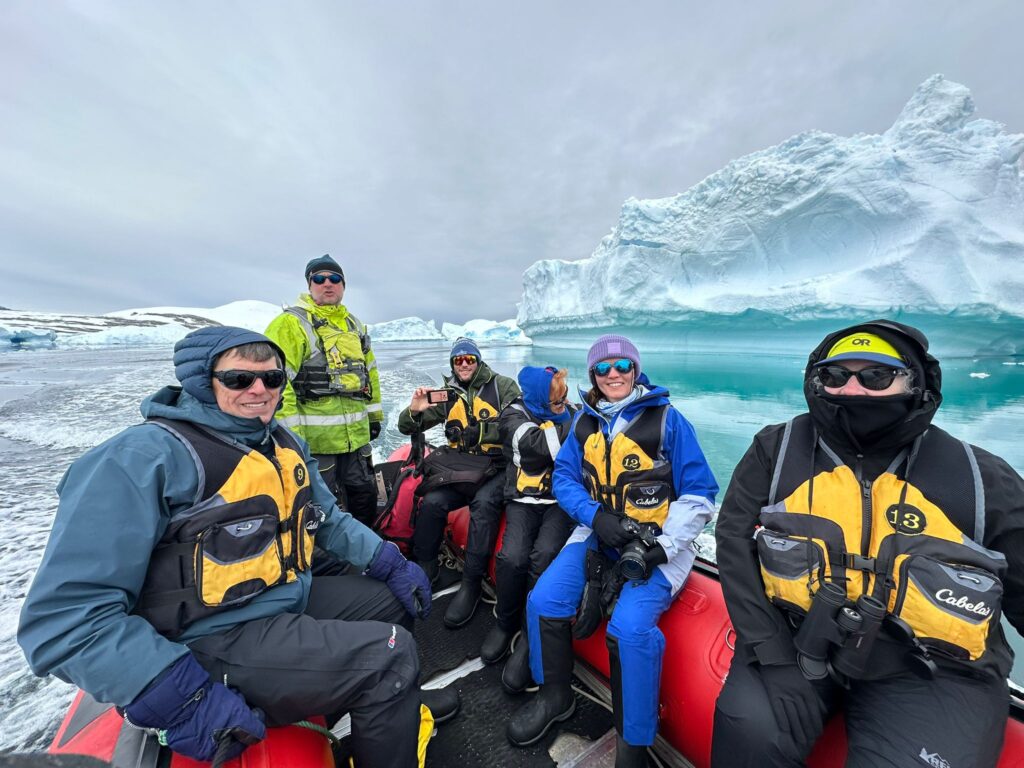
Your Antarctica journey will be your own
Perhaps the most important thing to understand before visiting Antarctica: you can choose your vessel, route, and dates, but you can’t fully predict your experience.
And you should not want to.
Antarctica rewards curiosity, patience and a willingness to embrace the unexpected. Changing ice, wildlife, weather, and light ensure every expedition develops its own character.
Two travellers can follow a similar route and return home with completely different stories.
That is not a limitation of Antarctic travel.
It is one of its greatest privileges.
Contact us to make the journey of your dreams a reality and discover Antarctica like never before.