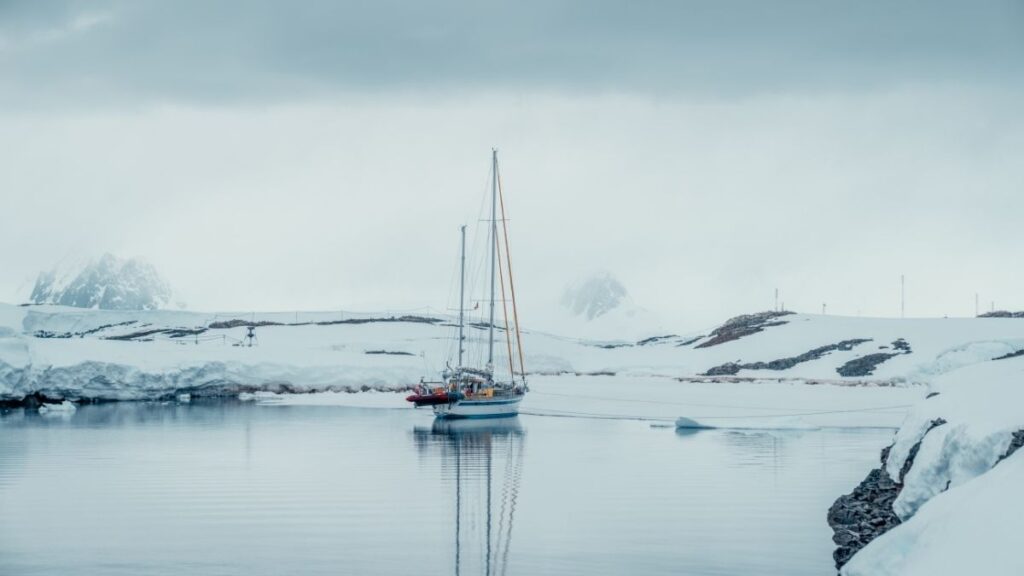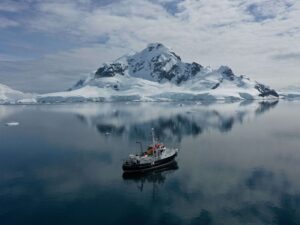
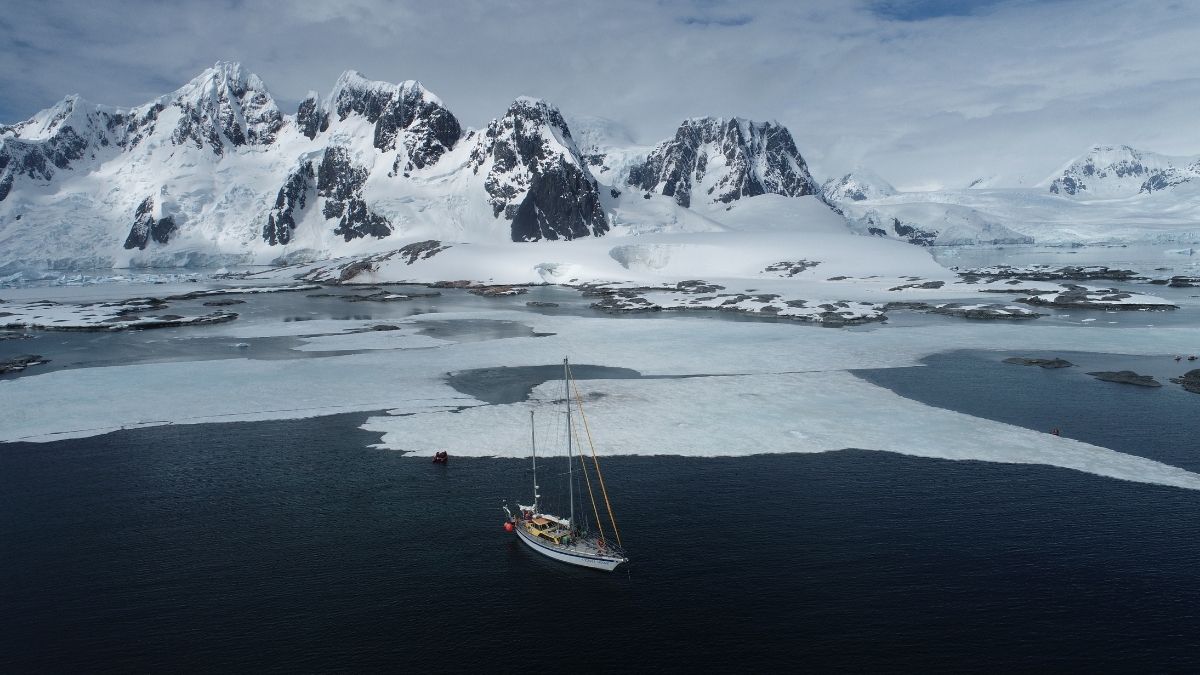
Sailing Antarctica in a Small Yacht offers a very different perspective from the traditional cruise experience. With small groups, flexible itineraries, and direct contact with the environment, each voyage becomes a highly personal adventure shaped by the people on board and the ever-changing Antarctic conditions.
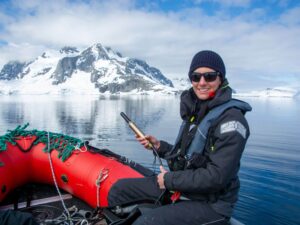
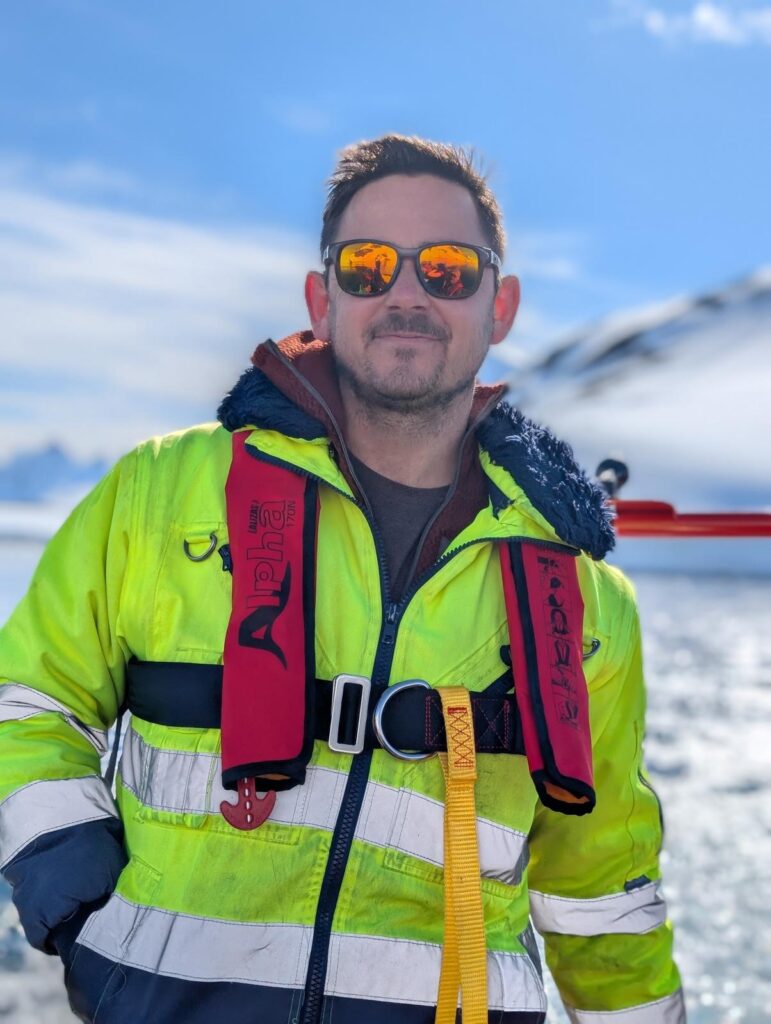
To learn more about what it’s like to navigate these waters, we spoke with Ollie “Oli” Grant, skipper of the Ocean Tramp. With a lifetime connected to the sea—from racing yachts around the world to instructing sailing and mountaineering in the UK—Ollie brings both technical expertise and a deep appreciation for remote environments. Here he shares what responsible navigation means in Antarctica, the unique advantages of small-boat expeditions, and a few unforgettable moments from the Southern Ocean.
What does it mean to navigate responsibly in Antarctica?
There are a few factors when it comes to navigating responsibly in Antarctica, first and foremost is the purpose of the expedition. There will always be some impact when navigating, though we do everything we can for that impact to be small and transitory. You need to make sure that you are creating a net positive for that environment.
We can do this by educating our passengers and inspiring them to make decisions at home to protect this special part of the planet. Leading by example, our crew demonstrate how we can both enjoy and respect Antarctica and its wildlife.
What challenges do you face when sailing a small yacht like the Ocean Tramp in these latitudes?
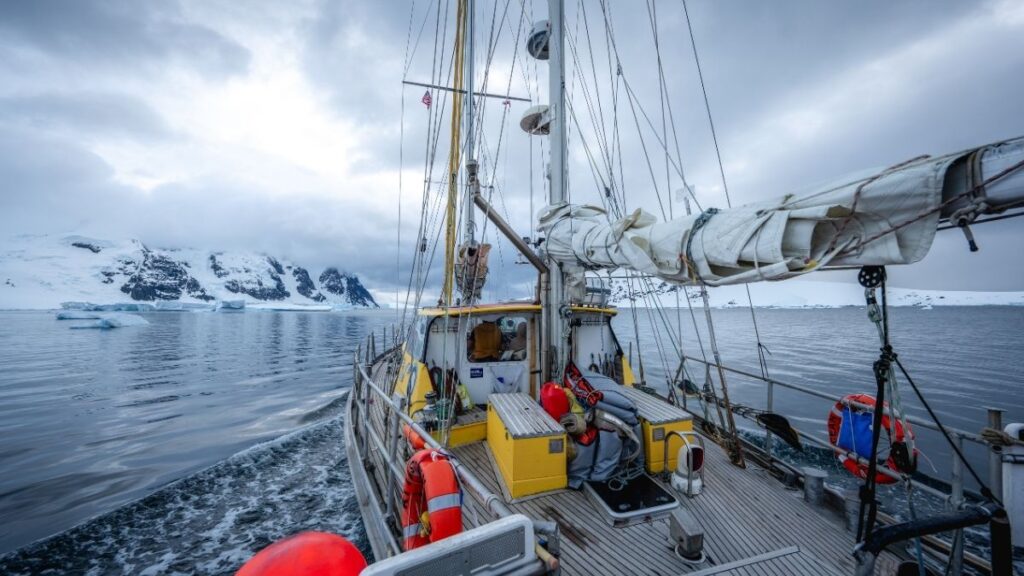
As a smaller vessel, we face different challenges to the ships that visit. Most prominently is the logistics of being able to have enough spare parts for when things inevitably break.
Fortunately the spirit of all the yachts in Antarctica is one of cooperation above and beyond, so you can always find a helping hand.
On a small vessel, what does having real itinerary flexibility actually mean?
Having small groups, we can really listen to our passengers and what they are excited about in Antarctica, then we can go find it.
Whether it’s skiers after the highest peak, photographers chasing that golden hour shot, or just a family wanting some bonding time, we are able to facilitate that.
What would you say to someone trying to decide between a small expedition yacht and a larger cruise ship in Antarctica?
The difference in experience between a cruise ship and a yacht is vast. Both have positives and negatives, so it depends on what your needs are.
If you prefer to have a gym and a sauna while cruising around Antarctica watching wildlife from a distance, then a cruise ship is for you.
If you’re a little more adventurous, prefer tranquility over luxury, and want to have intimate experiences with wildlife that you will never forget, then a yacht is the better choice.
What does a typical day look like while sailing in Antarctica?
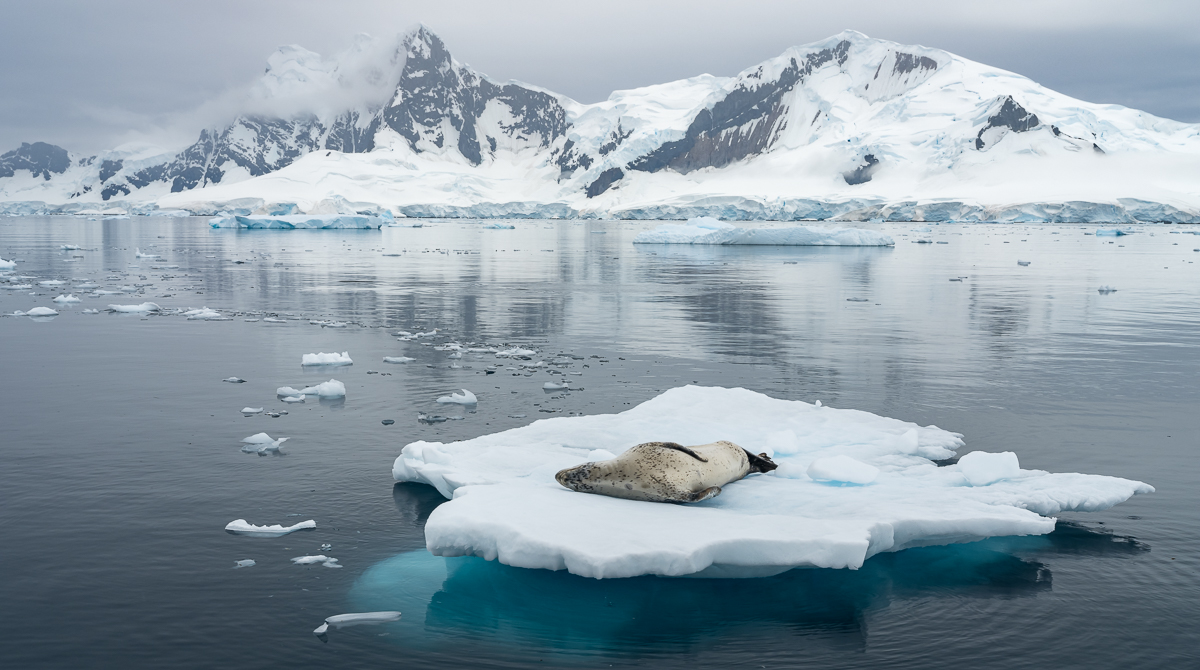
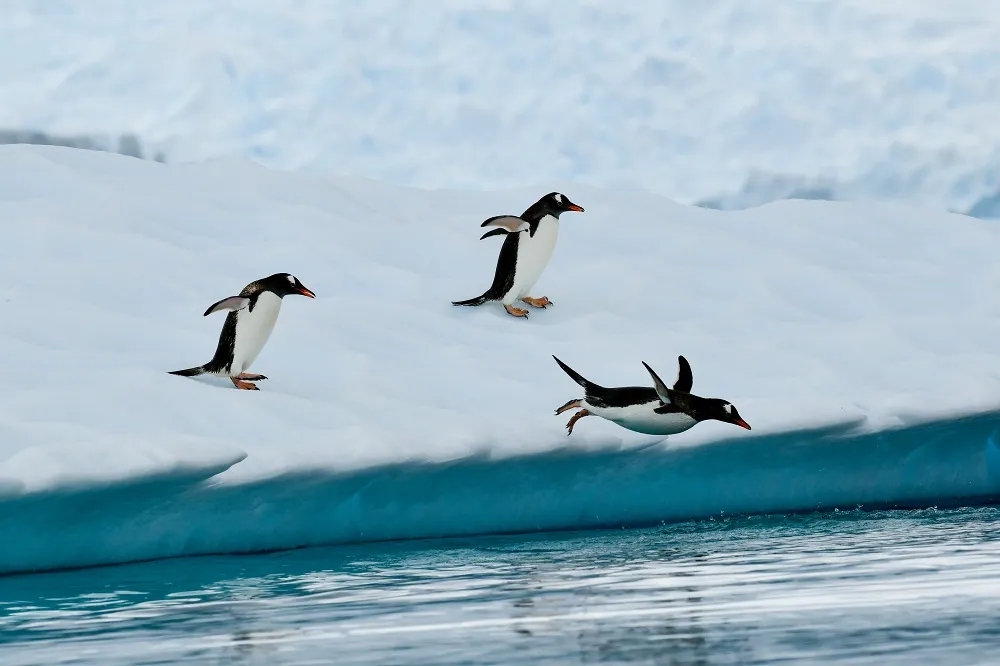
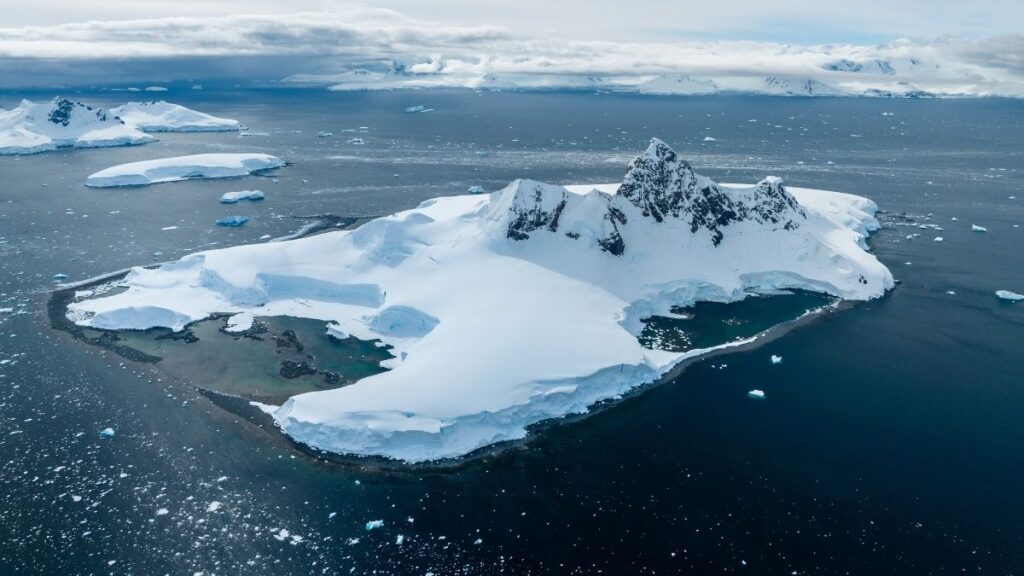
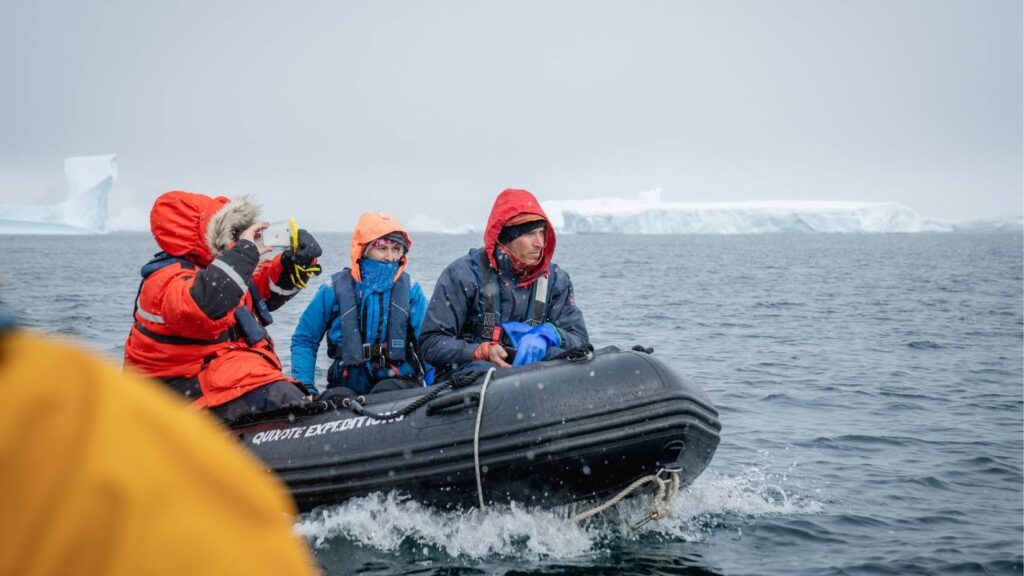
Typically we have arrived in a new place the previous night. In the morning we will explore by foot, kayak, or zodiac—encountering penguins, seals, or hiking to take in the scenery.
We return on board for a warm lunch before sailing through one of Antarctica’s beautiful bays or straits looking for whales and orcas. Later we anchor somewhere new and, if conditions allow, enjoy another landing or kayak depending on what the group would like.
The day usually ends back on board with happy hour drinks and snacks, followed by dinner to round off the day.
How long do you usually spend at sea each season?
Personally, I spent two and a half months in Antarctica this season, with another two weeks in Ushuaia preparing the yacht before the season started.
The Ocean Tramp spends a little over three months in total operating at sea each Antarctic season.
What do you miss the most when you’re down there?
My partner and my dog are the things I miss the most. Having Starlink onboard helps me keep in touch and share some of the special moments with them.
Is there a particular moment from Antarctica that has stayed with you?
There are many—some good, some… challenging! But one I will never forget is being sprayed in the face by the blowhole of a juvenile orca.
After so many voyages, does Antarctica still surprise you?
It’s easy to become complacent with the amazing things we see down there, but there is always something new each trip.
Just this year I watched a pod of orca hunting a young humpback. As they tried to separate it from its mother, it swam toward us and tried to hide behind the yacht.
An incredible experience.