Navigating the White Continent: The Art of Reading Antarctica’s Weather
Learn how Antarctic explorers and micro-cruise crews read the unpredictable weather of the White Continent, from glaciers to the midnight sun.
The Unpredictable Beauty of Antarctica’s Weather
Antarctica is a place of extremes — the coldest, windiest, and driest continent on Earth. Many first-time travelers are surprised to learn that, despite its ice-covered surface, Antarctica is technically a desert. With less than 200 mm of annual precipitation in some areas, it’s one of the driest regions on the planet. Yet this frozen desert is full of contrasts, where crystal-clear skies can turn into snowstorms in minutes and sunlight can last for days under the midnight sun.
For those joining Antarctica cruises, understanding the weather is not just a curiosity — it’s an essential part of the experience. Every voyage depends on reading nature’s subtle signs: the texture of the clouds, the rhythm of the wind, and the shifting tones of the horizon.
Where Is Antarctica and Why Its Weather Is Unique
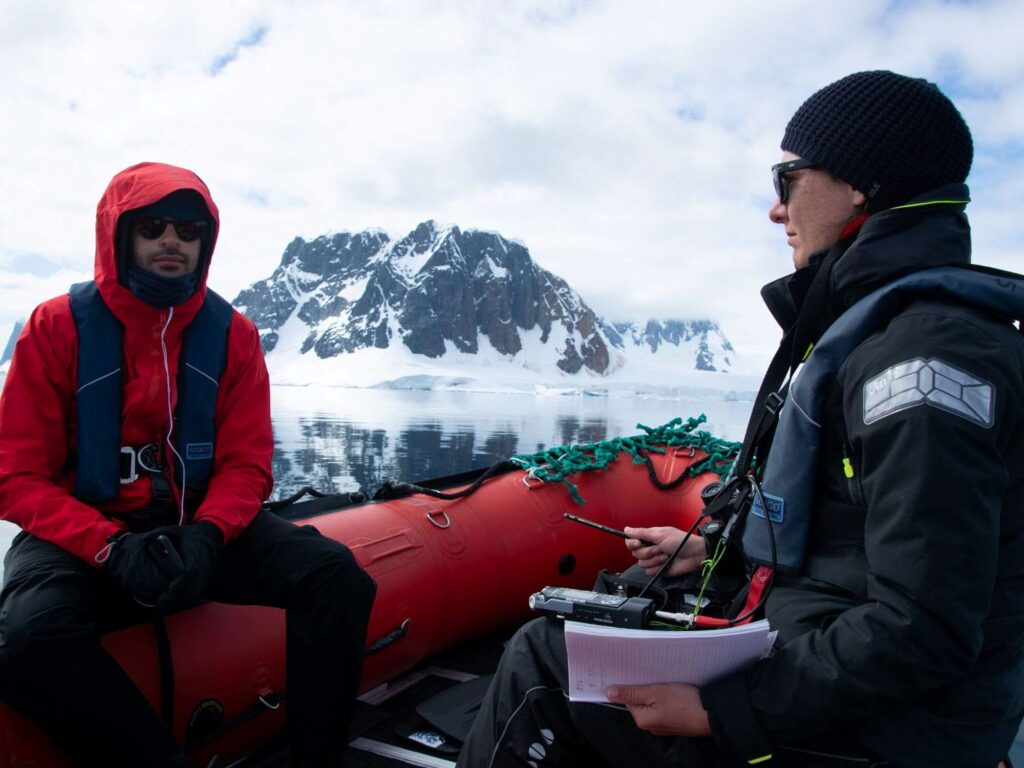
Located around the South Pole and surrounded by the Southern Ocean, Antarctica is the most remote place on Earth. Its isolation shapes a climate that scientists consider both fragile and powerful. Strong katabatic winds descend from the high ice plateaus, carving paths through the glaciers and influencing sea conditions far beyond the coast.
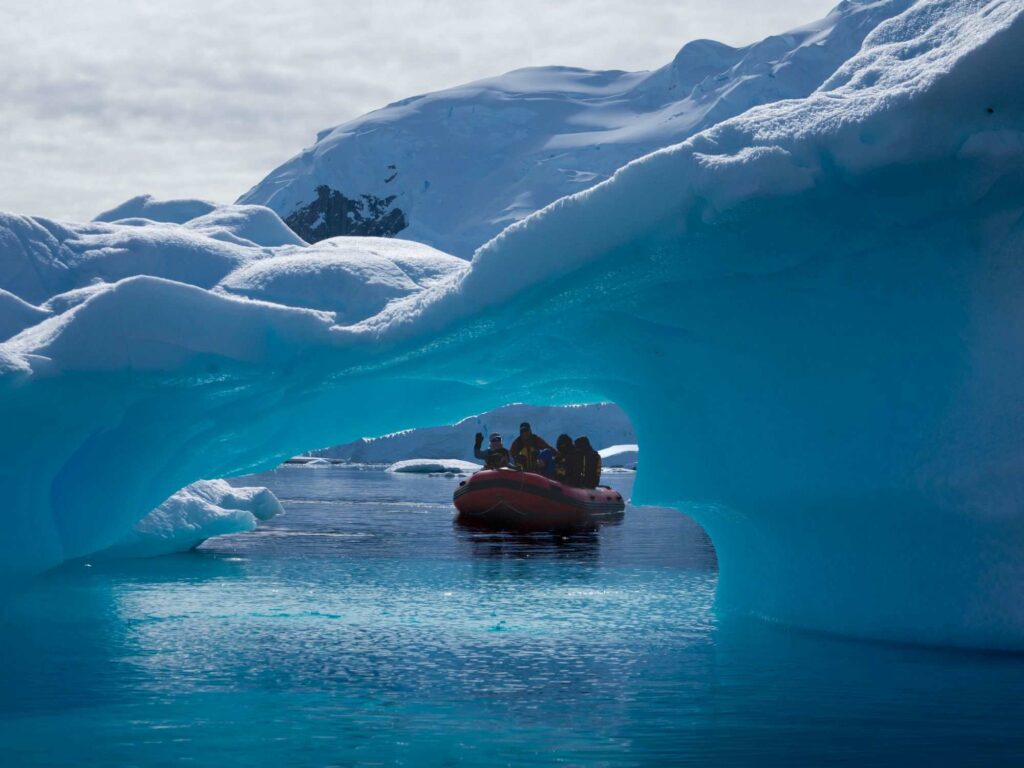
This unique geography means that weather patterns here don’t follow the same logic as elsewhere in the world. A small drop in air pressure can signal a sudden change — from calm seas to waves that challenge even the most experienced sailors. On small, flexible vessels like 60 South’s micro-cruises, these shifts become part of the adventure, allowing travelers to appreciate the living dynamics of the White Continent.
Reading the Ice: Glaciers as Weather Diaries
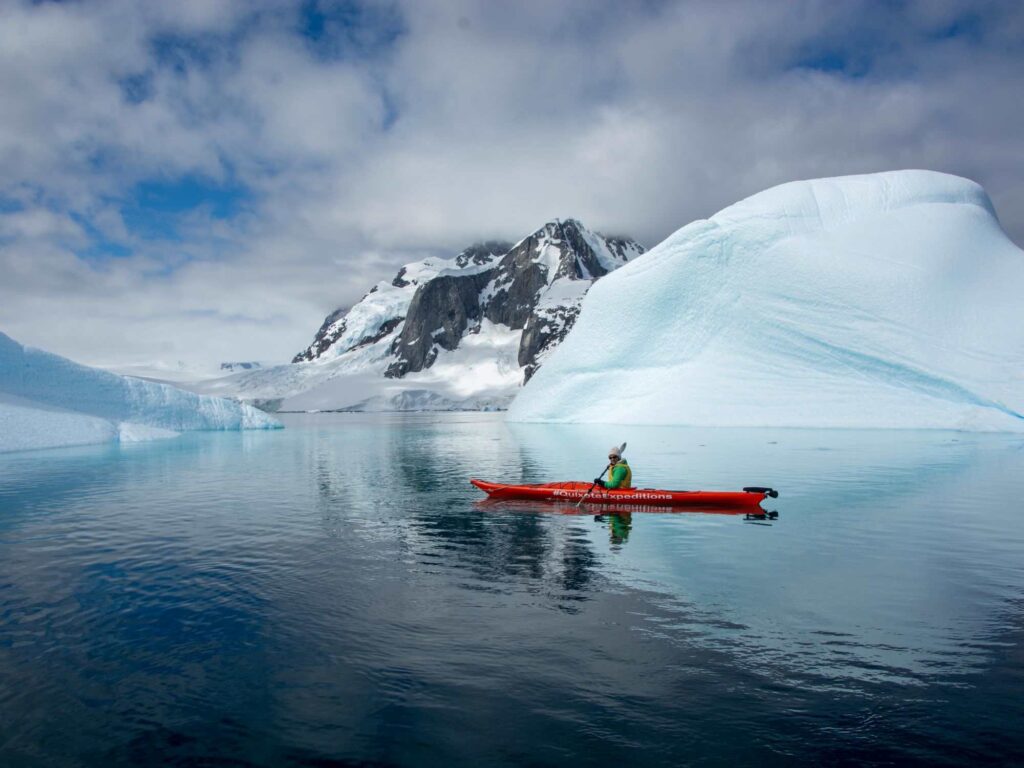
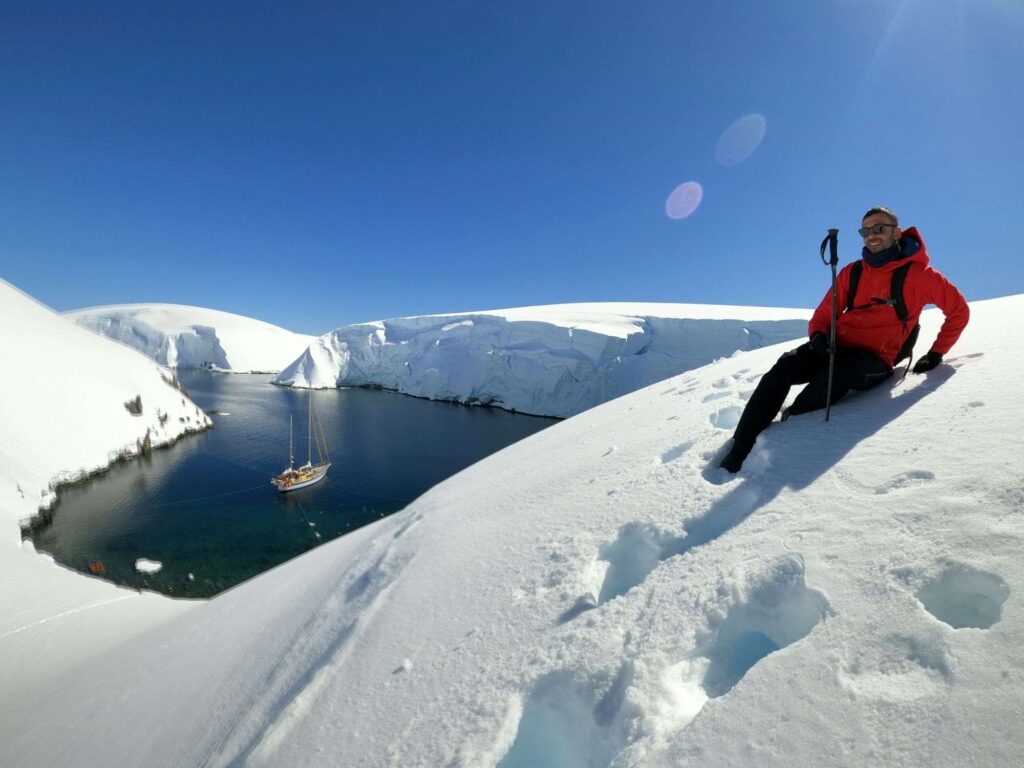
In Antarctica, the glaciers tell their own stories. The sound of cracking ice, the turquoise reflections on frozen cliffs, and the movement of floating icebergs are more than just visual wonders — they are indicators of weather trends. When the temperature rises slightly, the glaciers “speak” louder, releasing echoes that can be heard throughout the bays.

For expedition leaders and captains, these details are essential for planning safe routes. For guests, they offer a rare opportunity to connect directly with the environment — to read nature’s messages without instruments, simply by observing.
Life Beneath the Clouds: How Weather Shapes Antarctic Wildlife
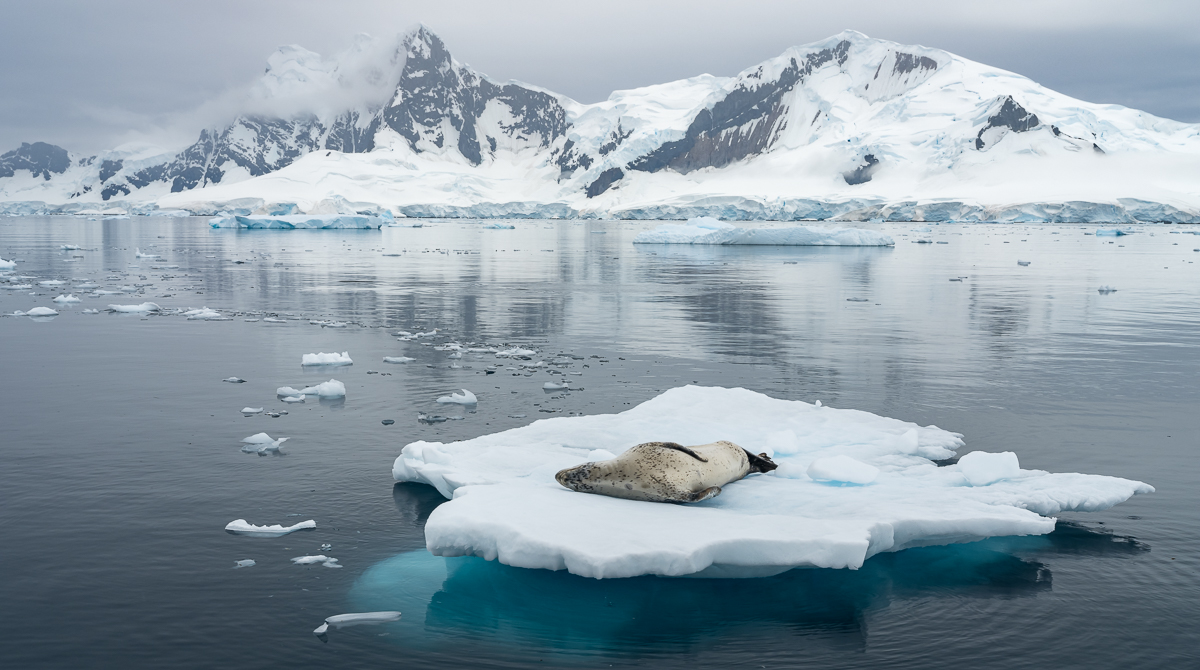
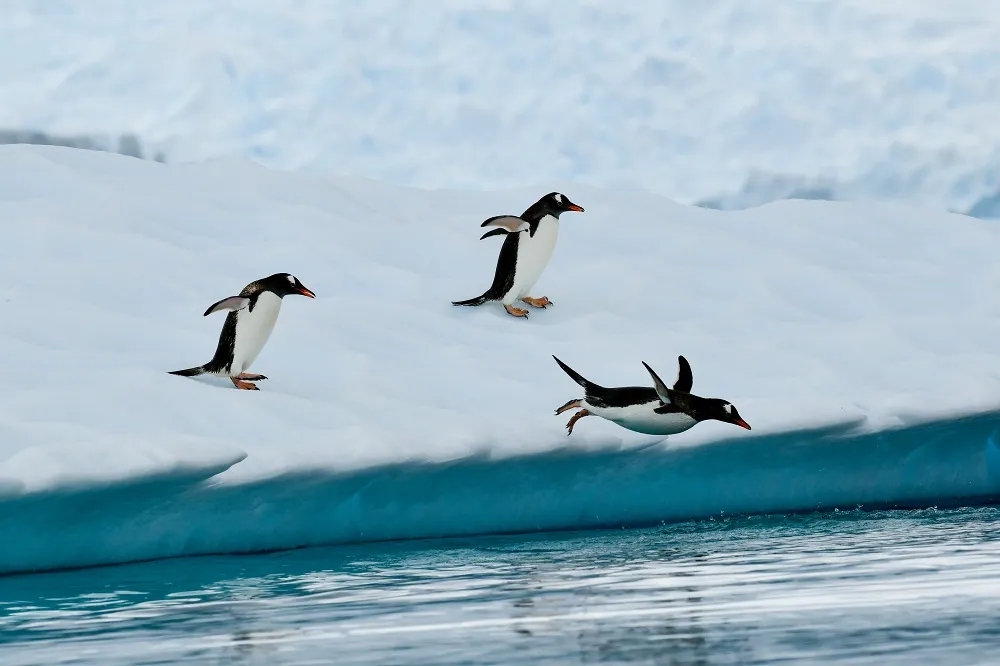
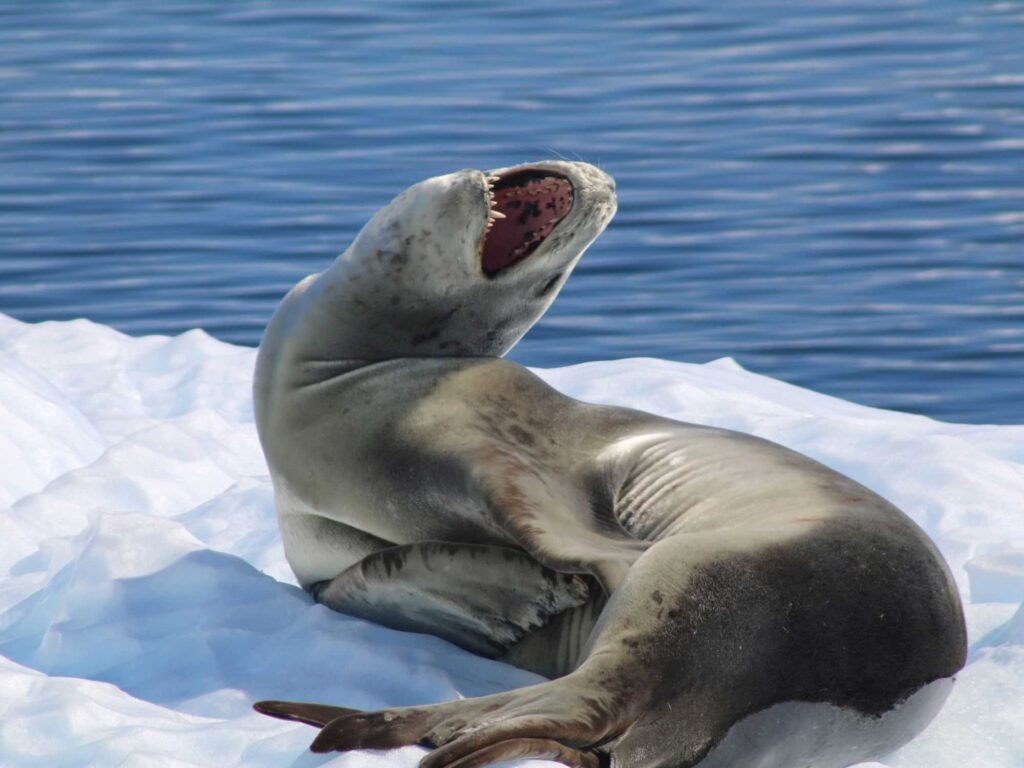
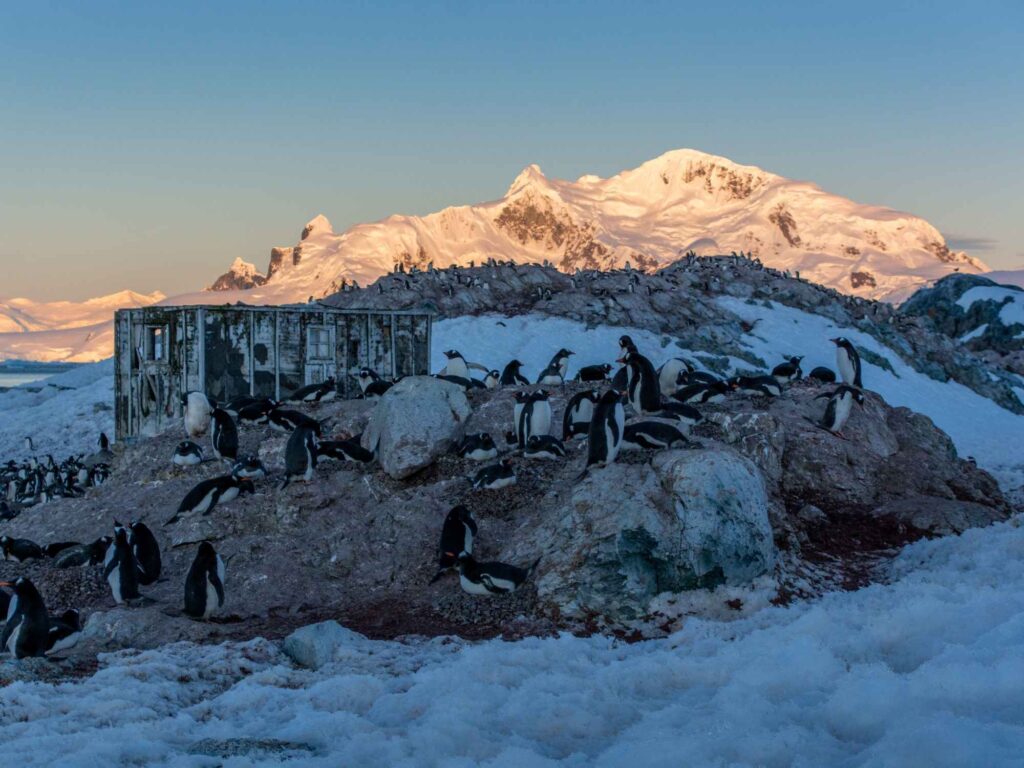
The continent’s extreme weather also determines where and when Antarctica animals thrive. Penguin colonies flourish along the coasts during the brief summer when the ice retreats, revealing rocky nesting grounds. Seals rest on drifting icebergs, while whales follow krill migrations through open waters.
During the midnight sun, when daylight lasts nearly 24 hours, the ecosystem explodes with life. The intense light fuels phytoplankton blooms — the foundation of the Antarctic food chain — attracting enormous gatherings of wildlife. Observing these animals in their natural habitat, under such surreal light, is one of the highlights of every Antarctica cruise.
Sailing Through the Elements: Experience on Micro-Cruises
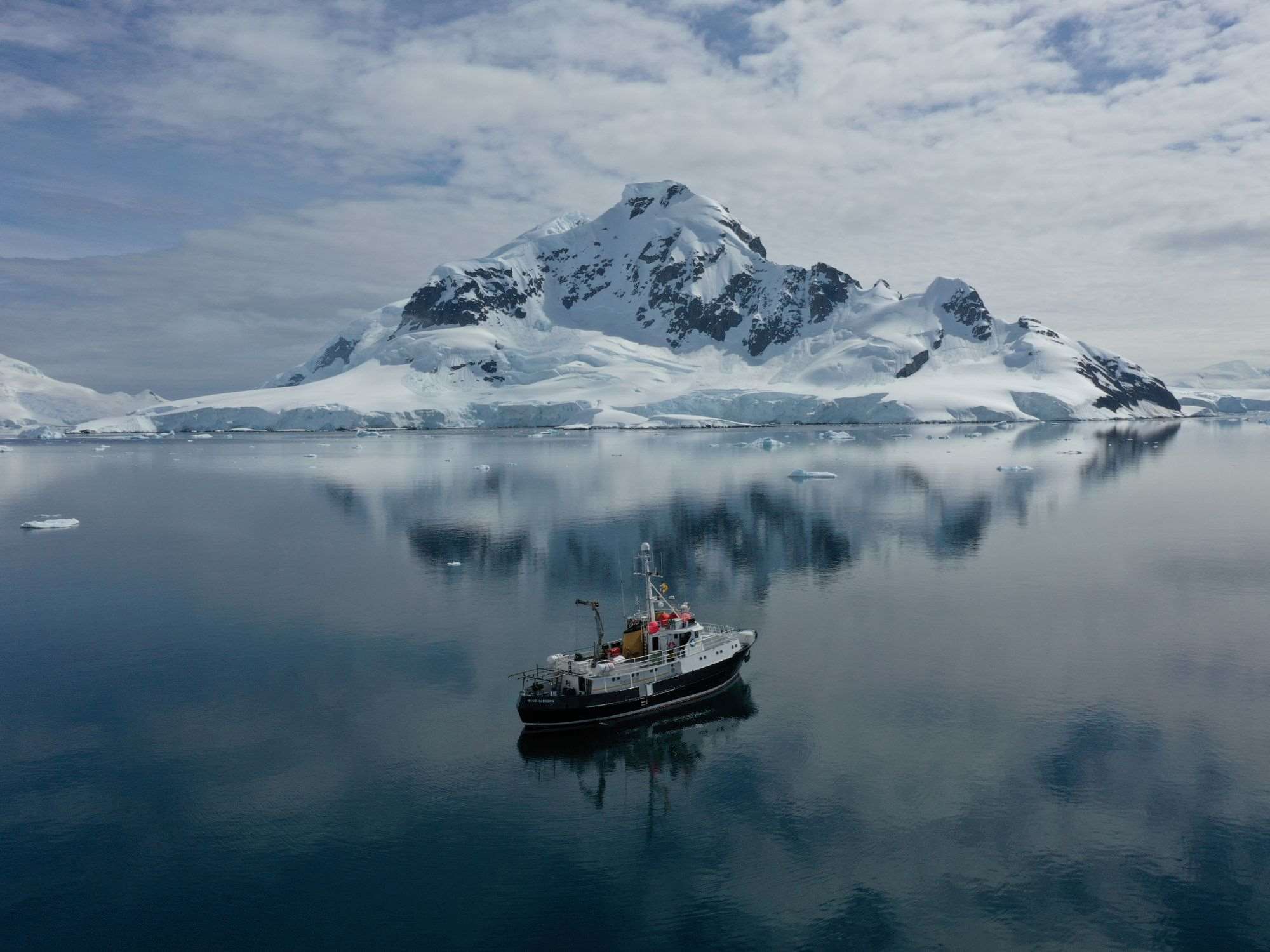
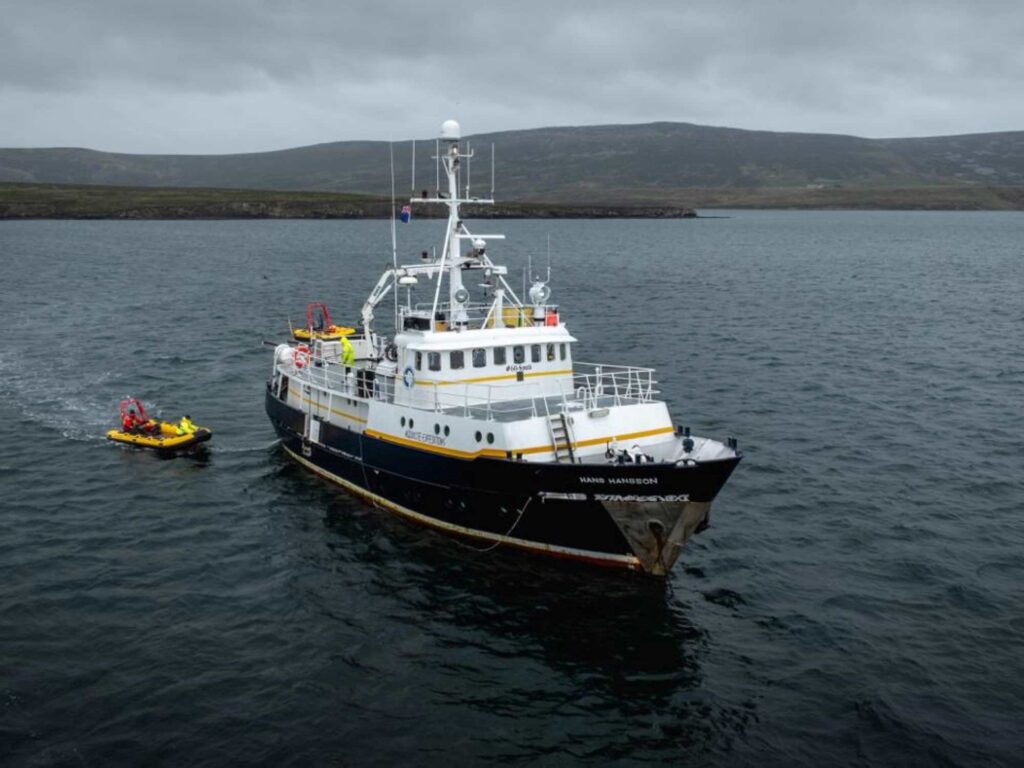
Unlike larger ships, 60 South’s small expedition vessels allow travelers to experience the weather as part of the journey. When the wind picks up, you feel it on deck; when the light shifts, you see how the glaciers glow in shades of blue and gold. The intimacy of the experience turns every weather change into a story — a new layer of connection with the polar world.
Experienced skippers rely on local knowledge, satellite data, and constant observation. But they also trust instinct — a skill honed through years of sailing these unpredictable waters. For guests, watching this process is a lesson in respect: nature sets the rules, and humans learn to adapt.
The Reward of Uncertainty
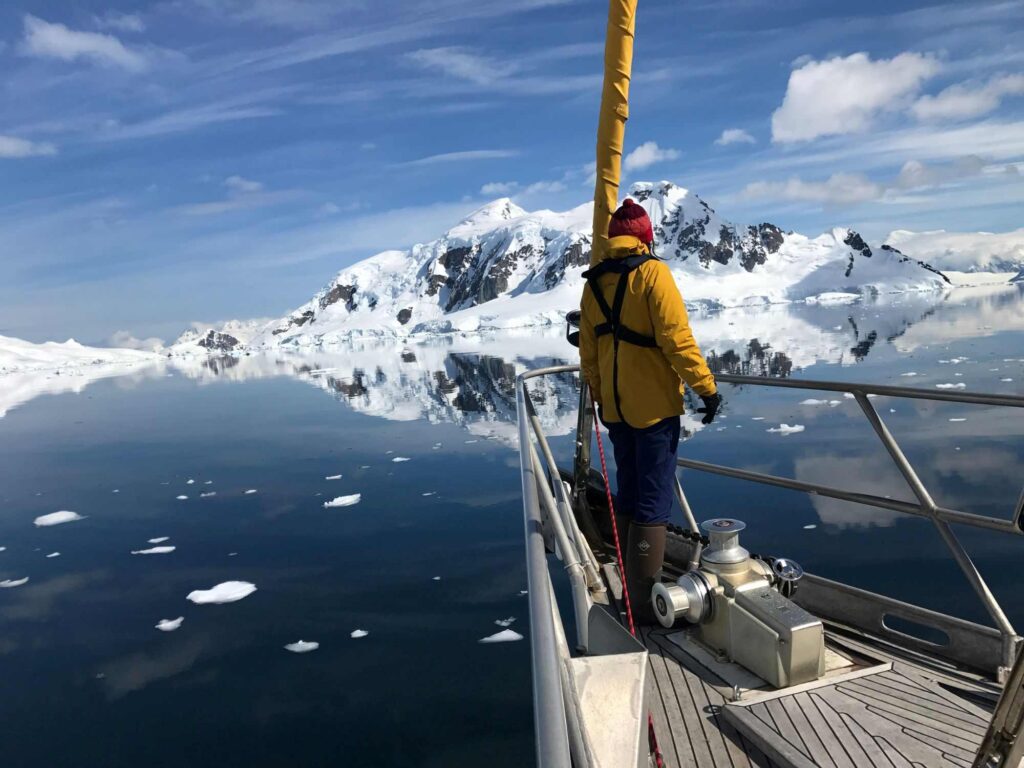
To travel in Antarctica is to embrace unpredictability. Some days bring calm reflections of mountains mirrored on glassy seas; others test patience with fog and snow. Yet each moment, shaped by wind and light, reveals the soul of this frozen desert.
Understanding the weather here means understanding the continent itself — alive, changing, and humbling. Whether you wonder where Antarctica is, or dream of seeing its glaciers, its animals, and its endless daylight, every traveler discovers that nature’s rhythm is the real luxury.

The art of observing the weather in Antarctica is not about control, but awareness. On a 60 South micro-cruise, you don’t just witness the climate — you become part of it. Each gust of wind, each glimmer on the ice, and each echo across the bay reminds you that this land of extremes is also a land of profound harmony.
When you sail the White Continent, you navigate more than the ocean — you navigate the essence of the planet itself.
Contact us to make the journey of your dreams a reality and discover Antarctica like never before.